Most landscape problems should be checked before anything is replaced: follow the water, review sunlight and soil, and inspect recent maintenance changes.
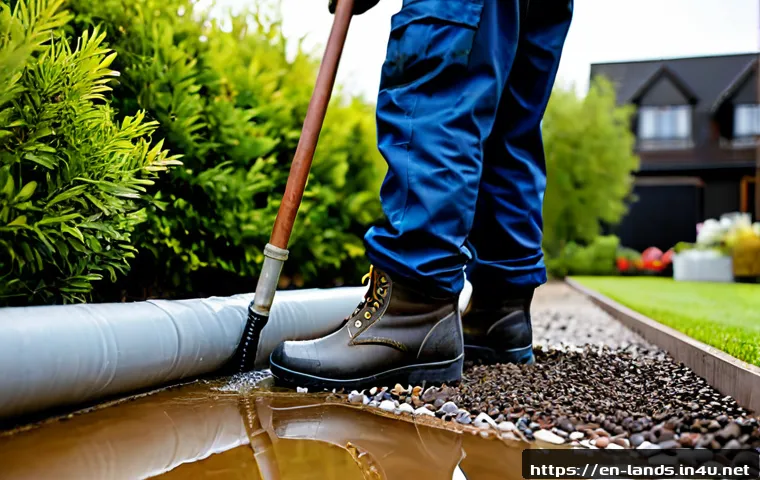
Standing water, weak plants, and patchy lawns can have more than one cause, so a quick diagnosis helps prevent wasted spending. Simple checks may reveal a clogged emitter, poor sprinkler coverage, compacted soil, or weeds that have not yet spread.
Larger drainage changes, erosion near hardscape, and irrigation leaks often justify a landscaping service estimate because errors can affect the property beyond the original problem area.
Compare the scope of work, long-term maintenance, and property-protection plan—not just the initial quote. The right choice depends on site access, equipment needs, safety, and the risk of moving water in the wrong direction.
Quick Overview
- Start with water movement: standing water, erosion, and plant stress can be linked to grading, runoff paths, compaction, or irrigation.
- Do not diagnose plants by appearance alone: overwatering and underwatering can both cause yellowing, wilting, and weak growth.
- Use professional help for higher-risk work: drainage redesign, major erosion, damaged irrigation lines, and work near buildings need careful site assessment.
| Landscape Issue | Low-Cost DIY Check | Likely Professional Option | When an Estimate Is Worthwhile |
|---|---|---|---|
| Standing water or soggy ground | Observe runoff after watering or rain; check downspout discharge and low spots. | Grading review, drainage solution, dry well, or erosion-control work. | Water persists, moves toward structures, or damages nearby hardscape. |
| Compacted soil or weak establishment | Review traffic patterns, soil condition, and whether water seems to sit or run off. | Soil preparation, site-specific planting work, or lawn-care service. | Repeated planting failures or a large area needs improvement. |
| Declining plants | Check sunlight, watering routine, mature size, mulch placement, and visible root-area conditions. | On-site landscape assessment and plant-selection plan. | Several plants fail or the cause remains unclear. |
| Irrigation trouble | Inspect controller settings, sprinkler heads, emitters, leaks, and coverage. | Irrigation repair, pressure review, or system adjustment. | Coverage is uneven, components are damaged, or leaks are suspected. |
| Weeds returning quickly | Identify weeds early and remove or address them before they set seed. | Routine landscaping maintenance or targeted lawn-care plan. | Weeds cover a broad area or return despite consistent maintenance. |
Quick Diagnosis: What to Check Before You Repair or Replace Anything
Start with water flow, sunlight, soil condition, and recent maintenance changes
Before buying replacement plants, fertilizer, drainage materials, or lawn-care equipment, look for patterns. Ask where water enters the area, where it collects, and where it exits. Note how much sun the site receives and whether the soil is hard, heavily trafficked, or slow to absorb water. Also consider what changed recently: a new mulch layer, adjusted irrigation timer, construction activity, mowing pattern, or redirected downspout can alter landscape performance.
A practical symptom-to-cause approach is to avoid assuming that one visible symptom has one solution. Yellowing plants may be receiving too much water or too little. Bare or weak turf may involve soil condition, watering coverage, plant suitability, or another site factor. Check the whole growing environment before treating the symptom.
Separate urgent risks from cosmetic problems
Some issues can wait for normal maintenance. A few weeds, thin mulch, or uneven growth may be manageable through routine work. Other conditions deserve faster attention: water moving toward a building, active erosion, suspected irrigation leaks, or runoff affecting a hardscape area. These problems can become more complicated when water is redirected without a clear plan.
When safety, property protection, or water movement is involved, avoid quick fixes that simply send water elsewhere. A drainage solution should fit the site rather than transfer the problem to another part of the property.
When an on-site landscaping assessment is the safer option
An on-site landscaping assessment is useful when the source of a problem is uncertain, multiple areas are affected, or the work could change drainage patterns. It is also a sensible step when equipment access, slopes, mature plants, hardscape, or adjacent properties make the project less straightforward. Local rules, utility-location requirements, drainage restrictions, and water-use limits should be confirmed before work begins.
Compare Common Landscape Issues, DIY Checks, and Professional Repair Options
Drainage, erosion, compacted soil, dying plants, weeds, and irrigation failures
Landscape problems often overlap. Compacted soil can limit air, water, and root movement, making plant establishment more difficult. Poor drainage can create standing water, root stress, erosion, and damage near hardscape. Irrigation problems may come from controller settings, leaks, clogged emitters, damaged sprinkler heads, or uneven water pressure.
For a small, visible maintenance issue, a basic inspection may be enough. For a recurring or large-scale problem, professional landscaping services may offer a clearer plan because the work can address both the symptom and its likely site condition. Do not replace plants repeatedly if the soil, light, drainage, or watering pattern has not been reviewed.
Comparing material, labor, equipment, and long-term maintenance value
A landscaping estimate should explain more than materials. Compare the labor scope, equipment needs, site access, cleanup, drainage approach, and ongoing maintenance requirements. A lower quote may cover a narrower task, while a broader proposal may include preparation or follow-up that reduces repeat work.
For example, drainage work can involve more than a visible channel or a single collection point. The plan should account for where water comes from and where it will travel. Irrigation repair should also consider controller programming, coverage, damaged parts, and whether the system is delivering water evenly across the planted area.
Poor Drainage, Standing Water, and Erosion: Solutions That Match the Site
Check grading, downspout discharge, soil compaction, and runoff paths
Begin by watching the site during irrigation or after rain. Look for low areas, concentrated runoff, splash or washout near hardscape, and water discharged close to planted beds. Check whether soil appears compacted and whether water ponds before slowly moving away. These observations do not confirm the exact cause, but they help define the questions a contractor should answer.
Water direction matters. A small change in grade, a downspout discharge point, or a blocked path can affect a much larger section of the landscape. Take notes and photos of recurring wet areas before requesting drainage solutions or landscape contractor estimates.
When regrading, drains, dry wells, or erosion-control work may be needed
Regrading, drainage components, dry wells, and erosion-control measures may be considered when water continues to collect or when runoff is removing soil. The appropriate option depends on the property layout, water source, soil condition, access, existing hardscape, and local requirements. A contractor should explain why a proposed drainage approach fits the observed water path.
Ask whether the proposal includes preparation, material placement, restoration of disturbed areas, and future maintenance. This makes it easier to compare one-time drainage repair with a broader landscaping maintenance plan.
Mistakes that can redirect water toward buildings or neighboring properties
A common mistake is treating a wet spot without considering the destination of the diverted water. Filling a low area, changing grade, or routing runoff may create pressure elsewhere. Avoid assuming that a visible channel, gravel-filled area, or new outlet is suitable without confirming the full drainage path.
Local drainage rules and property-specific requirements vary. Confirm permits, utility locations, and site restrictions with the appropriate local sources and qualified professionals before altering drainage or excavation areas.
Lawn, Soil, and Plant Health Problems That Often Get Misdiagnosed
Distinguish watering problems from nutrient, pest, disease, or root issues
Plants with yellow leaves, wilted growth, or poor vigor are not automatically underwatered. Overwatering and underwatering can look similar from above ground. Root condition, soil moisture, sunlight exposure, species, local climate, and irrigation coverage all matter. Nutrient, pest, disease, or root-related issues may also be possibilities, but a specific diagnosis requires closer identification and site review.
Rather than adding more water or fertilizer immediately, first review the irrigation schedule and inspect whether water is reaching the root zone consistently. If symptoms continue or spread, consider an on-site assessment instead of relying on a visual guess.
Improve soil and plant selection before buying more fertilizer or replacement plants
Successful plant establishment depends on matching the plant to local climate, sunlight, soil conditions, mature size, and watering needs. If a planting area is compacted, poorly drained, too shaded, or exposed to conditions the plant does not tolerate, replacing it with the same choice may repeat the problem.
Mulch can retain soil moisture and help suppress weeds. However, excessive mulch pressed against trunks or stems may contribute to plant health problems. Keep mulch use intentional, and review placement as part of routine landscape maintenance.
Safe expectations for seasonal recovery and replacement decisions
Some plants may improve after a watering or site-condition issue is corrected, while others may not. Whether a particular plant can be saved cannot be determined without identifying the species, symptoms, root condition, and local growing conditions. When replacement is considered, use the opportunity to review sunlight, mature size, drainage, and maintenance needs first.
Irrigation, Weed Control, and Routine Maintenance: Preventing Repeat Problems
Inspect sprinkler coverage, timer settings, leaks, and clogged components
Run each irrigation zone and watch what happens. Check controller settings, damaged sprinkler heads, clogged emitters, visible leaks, and areas receiving too much or too little water. Uneven water pressure can also affect coverage. A simple inspection can reveal whether weak lawn or plant areas line up with an irrigation pattern.
If components are damaged, access is difficult, or the system has several inconsistent zones, an irrigation repair service may be more efficient than repeated trial-and-error adjustments. When comparing irrigation service options, ask what inspection, repair, adjustment, and testing steps are included.
Build a seasonal maintenance schedule for mowing, mulching, pruning, and weed prevention
Routine maintenance reduces the chance that small problems become expensive ones. Schedule regular checks for mowing needs, mulch condition, irrigation performance, weed growth, and plant changes. Weed control is generally more effective when weeds are identified and addressed before they set seed.
Keep the schedule flexible enough to respond to actual conditions. A timer setting, mulch depth, or mowing routine that worked previously may need review when weather, plant growth, or site conditions change.
When specialized equipment or recurring service offers better value
Recurring landscape service can be useful when a property has broad planted areas, several irrigation zones, persistent weeds, or maintenance tasks that are difficult to keep up with consistently. It may also make sense when specialized equipment or safe access is needed. Compare a maintenance contract by its actual visit scope and responsibilities, not by the service label alone.
Look for clarity on what is inspected, what is maintained, what is excluded, how irrigation issues are reported, and whether cleanup is included. That comparison helps distinguish a basic visit from a more complete landscaping maintenance agreement.
Selection Criteria and Comparison Summary
Compare scope of work, drainage plan, plant warranties, cleanup, and maintenance needs
Use these checks before choosing DIY work, a landscape contractor, or ongoing service:
- Scope: Does the proposal describe the problem area, preparation, materials, labor, and cleanup?
- Drainage approach: Does it explain where water comes from and where it will go after the work?
- Maintenance: What inspection, watering, weed control, irrigation adjustment, or follow-up will still be needed?
- Plant details: If plants are included, are selection, mature size, sunlight, soil, and watering needs addressed?
- Warranty terms: If any warranty is offered, what does it cover, what conditions apply, and what maintenance is required?
- Risk: Could the work affect buildings, hardscape, slopes, utilities, or neighboring properties?
Questions to ask before accepting a landscaping estimate
Ask the contractor to identify the intended result, the work sequence, the drainage or irrigation logic, and the assumptions behind the proposal. Ask what site conditions could change the scope and whether local permits, utility checks, or water restrictions need confirmation. For recurring service, ask how issues are documented and how additional repairs are handled.
Compare scope, drainage approach, warranty terms, and maintenance requirements—not price alone. Review official service details and full contract conditions on the relevant provider page before agreeing to work.
Choosing the lowest-risk option for safety, property protection, and long-term upkeep
DIY work is often appropriate for observation, basic irrigation checks, early weed control, mulch review, and routine maintenance. Professional help is generally the lower-risk option when drainage must be altered, erosion is active, irrigation repairs are uncertain, heavy equipment is needed, or a mistake could damage property. The best choice is the one that fits the actual site condition and leaves a manageable maintenance plan afterward.
In Closing
Most landscaping problems become easier to manage when the first step is observation rather than replacement. Follow water movement, review sunlight and soil, inspect irrigation coverage, and address weeds before they spread. For drainage, erosion, or system problems that may affect property protection, an informed landscaping assessment can be a practical starting point. Clear scope and long-term maintenance expectations are usually more valuable than a fast, vague fix.
Useful Things to Know
1. Take photos of recurring wet areas, erosion, and plant symptoms before requesting a service estimate.
2. Review irrigation zones individually; a system may water one area unevenly while another area performs normally.
3. Keep mulch away from direct contact with trunks and stems.
4. Address weeds before they set seed whenever possible.
Important Notes
This guide cannot identify the exact cause of a specific lawn, tree, plant, drainage, irrigation, or pest problem without an on-site inspection. Project costs vary with labor rates, materials, site access, property size, and regional conditions. Confirm local permit requirements, drainage rules, utility-location requirements, and water-use restrictions before work that changes grading, drainage, or irrigation.
Frequently Asked Questions
Q1. When is it worth hiring a landscaper instead of fixing the problem yourself?
A1. Consider hiring a landscaper when the work involves drainage changes, active erosion, uncertain irrigation leaks, major soil preparation, equipment needs, or a risk of affecting buildings, hardscape, utilities, or neighboring properties. Routine observation, early weed control, mulch checks, and basic sprinkler inspections are often reasonable DIY starting points.
Q2. How much should I expect to budget for drainage or irrigation repairs?
A2. Actual costs vary by the property, site access, labor rates, materials, equipment needs, and regional conditions. Request a written landscaping or irrigation estimate that separates the scope of work, materials, labor, cleanup, and any ongoing maintenance needs so proposals can be compared fairly.
Q3. What should I ask a landscaping contractor before approving an estimate?
A3. Ask what condition the work is intended to correct, how the drainage or irrigation approach will function, what is included in preparation and cleanup, what maintenance will remain, and whether warranty terms apply. Compare scope, drainage approach, warranty terms, and maintenance requirements—not price alone.