In today’s fast-evolving landscaping industry, mastering tool management is more crucial than ever—especially when preparing for practical exams as a landscape technician.
With new tools and technologies emerging, staying organized and efficient can make all the difference between passing and excelling. I’ve seen firsthand how a well-planned approach to tool care not only boosts confidence but also speeds up the entire workflow.
Whether you’re gearing up for your certification or just aiming to sharpen your skills, these essential tips will set you on the right path. Let’s dive into the strategies that can transform your exam prep and day-to-day work alike.
Organizing Your Toolkit for Maximum Efficiency
Sorting Tools by Function and Frequency of Use
When preparing for a landscape technician practical exam, one of the smartest moves is to arrange your tools in a way that makes sense for how you work.
I found that grouping tools by their function—such as cutting tools, measuring instruments, and planting equipment—helps me grab exactly what I need without wasting time.
Plus, placing the tools you use most frequently at the front or top of your storage system saves precious seconds during the exam. Trust me, in a timed test, every second counts.
I like to keep pruning shears and measuring tapes within arm’s reach since I use them constantly. This method not only keeps my workspace tidy but also builds a rhythm where I’m not fumbling around, which can be a major confidence booster.
Creating a Dedicated Storage Space
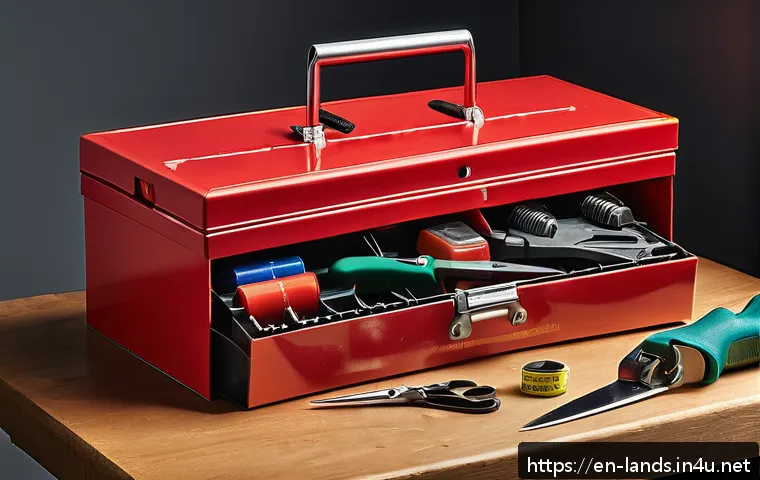
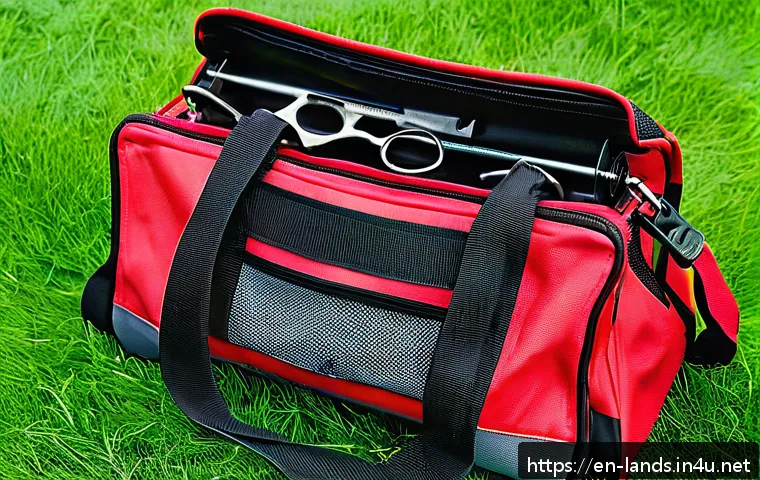
Another game-changer is having a specific spot for every tool. Whether it’s a toolbox, wall-mounted rack, or a portable bag, dedicating a place means you won’t have to hunt for missing equipment.
I’ve seen candidates get flustered during exams simply because they couldn’t find a particular tool quickly. Setting up hooks or compartments inside your storage to hold items securely prevents damage and reduces the chance of losing pieces.
I personally labeled compartments, which helped me stay focused and calm, especially when pressure mounted. If you invest a little time upfront into organizing, you’ll save yourself a ton of hassle and nerves later on.
Maintaining Cleanliness and Readiness
Clean tools not only last longer but also perform better, which is crucial when precision matters. After every practice session, I make it a habit to wipe down blades, oil moving parts, and check for any damage.
This routine keeps my gear in top shape and avoids surprises on exam day. Imagine trying to cut through thick branches with a dull pruner—frustrating, right?
Keeping tools clean also reflects professionalism, which examiners notice. I keep a small cleaning kit with cloths, lubricants, and a sharpening stone close by, so maintenance is never a chore but part of my workflow.
This habit has saved me from last-minute panics and increased my overall confidence.
Essential Care Techniques to Extend Tool Lifespan
Proper Sharpening and Calibration
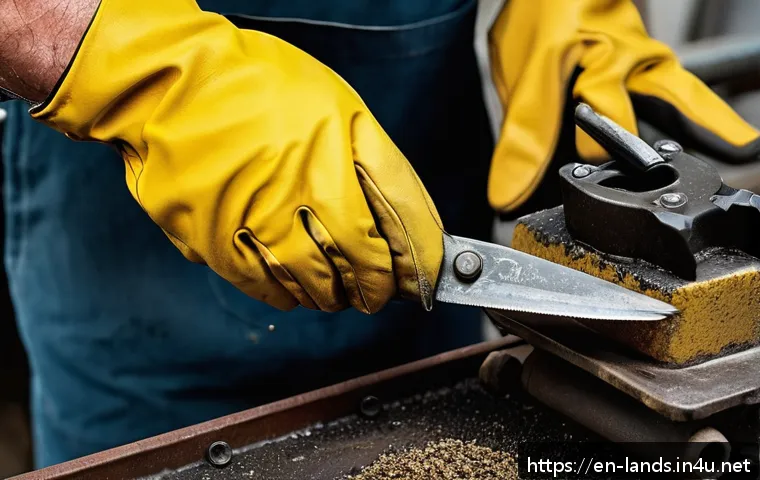
Sharpening isn’t just for blades—it’s about keeping every tool in optimal working order. I’ve learned that dull tools can slow you down and cause uneven results, which isn’t acceptable in a test scenario.
For example, sharpening pruning shears or hedge trimmers regularly ensures smooth cuts and less strain on your hands. Similarly, measuring tools like levels and tapes need calibration checks to guarantee accuracy.
Taking just a few extra minutes to maintain this precision can make your work look clean and professional, which examiners will appreciate. Plus, sharp tools reduce fatigue, which is a huge plus during long practical exams.
Lubrication and Rust Prevention
Tools with moving parts need proper lubrication to avoid sticking or squeaking. I usually apply a light oil to hinges and joints after cleaning, which keeps everything moving smoothly.
Rust is another big enemy—especially if tools are stored in damp environments. I’ve found that wrapping metal parts with a lightly oiled rag before storage or using silica gel packs can dramatically slow rust formation.
These small steps might seem tedious, but they add up to fewer tool failures and less frustration. Keeping your tools rust-free means they’ll be ready to perform perfectly when it counts.
Regular Inspections for Damage
Before and after every practice session, I inspect tools for cracks, loose handles, or worn parts. Catching these issues early lets me repair or replace tools before they become a problem during the exam.
I remember once almost failing a test because my shovel handle cracked mid-task—talk about a nightmare! Since then, I make it a point to do a thorough check every time.
This habit not only saves time but also keeps me safe. A broken tool can lead to injury or poor performance, so don’t overlook this crucial step.
Streamlining Your Workflow with Smart Tool Selection
Choosing Multi-Functional Tools
In the landscape technician exam, carrying too many tools can weigh you down and slow you down. I found that investing in high-quality, multi-functional tools cuts down on what you need to carry.
For instance, a pruning shear that doubles as a wire cutter or a multi-use knife can save space and time. This approach also means fewer items to maintain, which is a relief.
When I switched to multi-tools, I noticed how much smoother my workflow became—no more juggling between different gadgets. It’s all about working smarter, not harder.
Understanding Tool Limitations
Knowing when a tool isn’t the right fit is as important as knowing how to use it. I’ve seen people waste valuable exam time trying to force a tool to do a job it wasn’t designed for.
For example, using a small hand trowel for heavy digging can slow you down and cause fatigue. Learning which tool suits which task helps you work faster and avoids unnecessary mistakes.
This insight comes from experience, so I recommend practicing with each tool to get a feel for its strengths and weaknesses. This way, you’ll naturally pick the best tool for the job during your exam.
Prioritizing Safety Features
Safety can’t be an afterthought, especially when handling sharp or heavy tools. I always choose tools with ergonomic grips, guards, and balanced weight to reduce strain and prevent accidents.
During exams, nerves can make you less steady, so having tools designed with safety in mind gives me peace of mind. Features like non-slip handles and protective covers make a noticeable difference when you’re under pressure.
Remember, being safe isn’t just about avoiding injury—it’s about maintaining steady, confident movements that impress examiners.
Efficient Inventory Tracking to Avoid Last-Minute Surprises
Keeping a Detailed Tool Checklist
Creating a checklist of all tools needed for the exam has been a lifesaver. I keep it updated with notes on the condition of each item, so I know exactly what needs replacement or repair before the test day.
This simple habit prevents the panic of realizing something’s missing at the worst moment. I recommend digital checklists on your phone or printed copies in your kit for quick reference.
You can even add reminders for maintenance tasks, so nothing slips through the cracks.
Using Digital Apps for Inventory Management
There are great smartphone apps designed for tool tracking and maintenance schedules. I tried a few and found that apps with reminders and photo logs made it easier to keep everything organized.
You can scan barcodes or take pictures of each tool, attach notes, and set alerts for sharpening or cleaning. This tech-savvy approach streamlines your preparation and reduces the mental load.
It’s like having a personal assistant dedicated to your toolkit!
Preparing Backup Tools
No matter how careful you are, tools can fail or get lost. I always pack a few backup essentials, like extra gloves, a secondary measuring tape, or a spare pruning shear.
Having these backups saved me from scrambling during practice sessions and would definitely be a lifesaver during the exam. It’s better to carry a little extra weight than to get stuck without a critical tool.
Planning for the unexpected is part of being a professional.
Creating a Maintenance Routine That Fits Your Schedule
Daily Quick Checks
Incorporating a 10-minute daily inspection into your routine can make a huge difference. I usually do this after practice or work, quickly checking sharpness, cleanliness, and tool placement.
This habit keeps small problems from snowballing and makes maintenance less overwhelming. Over time, it became second nature, and I noticed how much smoother my preparation felt.
Weekly Deep Maintenance Sessions
Once a week, I set aside more time for thorough cleaning, sharpening, and repairs. This session includes oiling hinges, tightening screws, and replacing worn parts.
Doing this weekly means I never face a mountain of maintenance tasks all at once. It also keeps my tools in top condition, ready for any unexpected practice or exam day.
I treat this like a ritual that respects my gear and helps me perform my best.
Adjusting Routine Based on Season and Usage
Tool care isn’t one-size-fits-all. Depending on the season—wet or dry—or how often you use your tools, you might need to tweak your routine. For example, during rainy months, I increase rust prevention efforts, while in drier seasons, I focus more on lubrication.
Adapting your maintenance to these factors helps extend tool life and keeps performance consistent. Learning to listen to your tools and environment is a skill that pays off big time.
Key Tools and Their Maintenance Needs
| Tool | Maintenance Frequency | Key Care Tips |
|---|---|---|
| Pruning Shears | After every use | Clean blades, sharpen edges, oil pivot points |
| Measuring Tape | Weekly | Check accuracy, clean tape, retract smoothly |
| Shovel | Monthly | Sharpen edge, inspect handle, clean dirt |
| Hedge Trimmer | After every use | Clean blades, sharpen, lubricate moving parts |
| Gloves | After every use | Wash, dry, inspect for holes |
| Rake | Monthly | Straighten tines, clean dirt, check handle |
In Conclusion
Organizing and maintaining your tools thoughtfully can make a significant difference in both your exam performance and daily work. By creating a system that prioritizes efficiency, safety, and care, you set yourself up for success with less stress and more confidence. Remember, well-maintained tools not only perform better but also reflect your professionalism. Taking the time to establish good habits will pay off when it matters most.
Helpful Tips to Remember
1. Group your tools by their function and how often you use them to speed up your workflow and reduce stress during exams.
2. Designate a specific storage space for each tool, labeling compartments to stay organized and focused under pressure.
3. Regularly clean, sharpen, and lubricate your tools to keep them in top condition and avoid unexpected failures.
4. Choose multi-functional and ergonomic tools to minimize what you carry and enhance safety during tasks.
5. Keep a detailed inventory checklist, use digital apps for tracking, and always prepare backup tools to avoid last-minute surprises.
Key Takeaways
Consistent organization and maintenance are essential for maximizing tool performance and exam readiness. Prioritizing safety features and understanding your tools’ limits help prevent accidents and inefficiencies. Developing daily and weekly care routines tailored to your usage and environment ensures your equipment stays reliable over time. Lastly, planning ahead with inventory management and backups provides peace of mind, allowing you to focus fully on your work without distractions.
Frequently Asked Questions (FAQ) 📖
Q: uestions about Tool Management for Landscape Technician ExamsQ1: How can I effectively organize my tools to improve efficiency during the landscape technician practical exam?
A: From my experience, organizing your tools by category and frequency of use is a game changer. For example, keep pruning shears, gloves, and measuring tapes in a dedicated, easily accessible pouch, while heavier tools like shovels and rakes should be grouped separately but within quick reach.
Labeling compartments or using tool rolls helps you grab exactly what you need without wasting time. This organization not only speeds up your workflow during the exam but also reduces stress because you’re not scrambling to find the right tool.
Q: What are the best practices for maintaining landscaping tools to ensure they perform well during the exam?
A: Keeping your tools clean and sharp is essential. I always clean off dirt and sap immediately after use and oil metal parts to prevent rust. Sharpen blades and check handles for cracks or splinters before the exam day.
It might seem like extra work, but well-maintained tools cut better and work more smoothly, which can save precious time and effort during the test. Plus, examiners often notice the condition of your tools, which reflects your professionalism and care.
Q: Are there any specific tools or technologies I should focus on mastering for today’s landscaping technician exams?
A: Absolutely, while traditional tools remain important, many exams now include the use of modern equipment like battery-powered trimmers, GPS mapping devices, or soil moisture sensors.
I recommend familiarizing yourself with these tech tools ahead of time—practice their operation, charging, and troubleshooting. Being comfortable with both hand tools and tech not only prepares you for the exam but also gives you a competitive edge in real-world landscaping jobs.