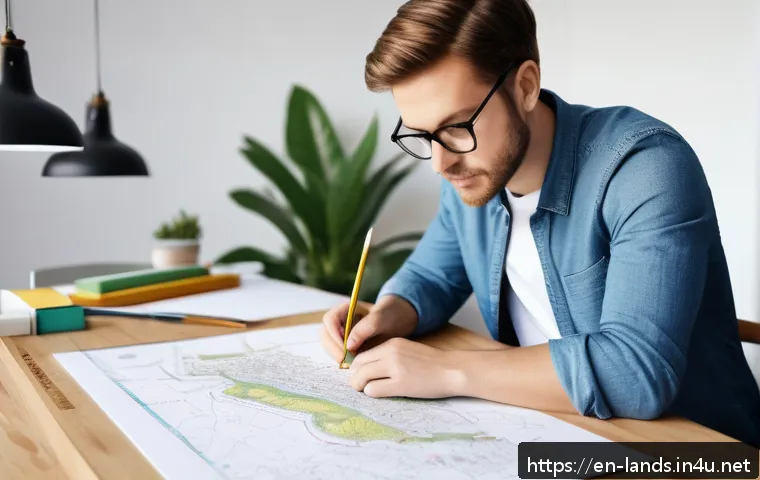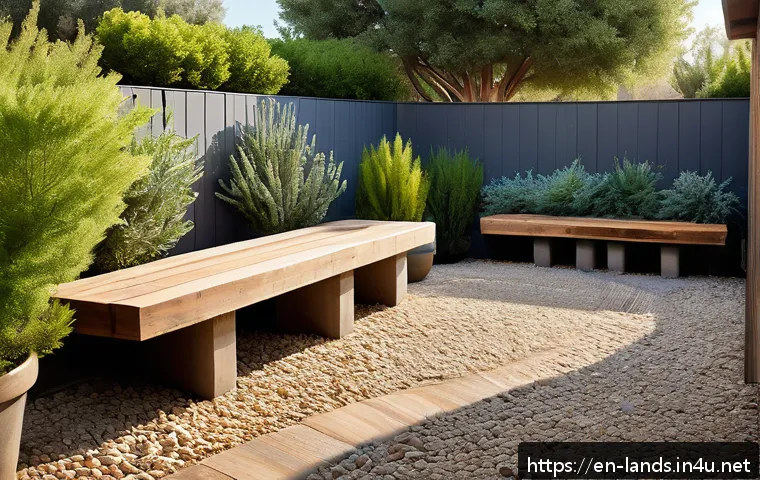
In today’s fast-paced world, accurate budgeting for landscape projects has never been more crucial. With rising material costs and fluctuating labor rates, homeowners and professionals alike face challenges in keeping expenses in check.
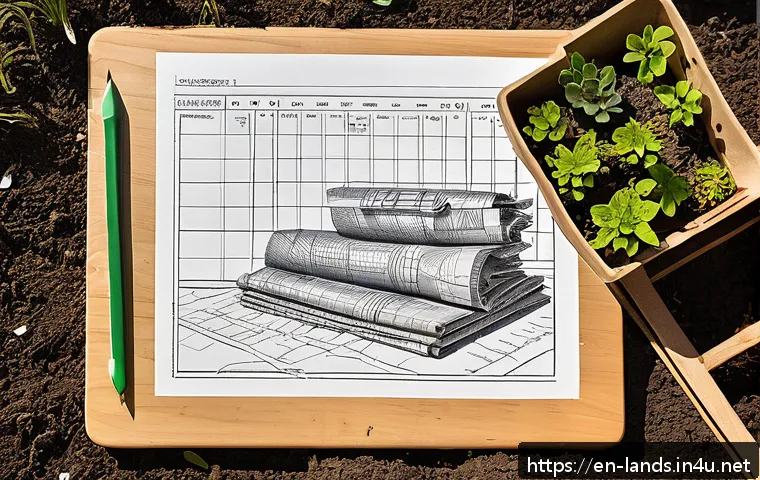
Whether you’re planning a small garden makeover or a large-scale outdoor renovation, mastering cost estimation can save you from unexpected financial surprises.
In this guide, I’ll walk you through practical steps to create reliable budgets that align with your vision and wallet. Stick around, and you’ll discover how to turn your landscaping dreams into reality without breaking the bank.
Breaking Down Material Costs: What to Expect and How to Save
Understanding Common Material Expenses
When budgeting for a landscaping project, the first hurdle is grasping what materials you’ll need and how much they typically cost. Materials can range from soil, mulch, and plants to paving stones, wood, and irrigation supplies.
Prices fluctuate depending on quality, seasonality, and your local suppliers. For instance, premium natural stone can cost several times more than basic concrete pavers.
In my experience, getting multiple quotes from local nurseries and supply stores helps pinpoint realistic prices without overpaying. Don’t forget to factor in delivery fees and potential waste – those extra costs sneak up on many homeowners.
Tips to Cut Material Costs Without Compromising Quality
One of the smartest moves I’ve found is opting for native plants and recycled or reclaimed materials. Not only do native plants thrive with less maintenance, but they’re often more affordable.
Reclaimed wood or stone can add character to your garden while slashing expenses. Another tip is buying materials off-season or in bulk. For example, purchasing mulch in late fall or winter can save you up to 20% compared to spring prices.
Also, keep an eye out for end-of-season clearance sales at garden centers. Combining these strategies made a significant dent in my last project budget.
Estimating Quantities Accurately
Estimating the exact amount of materials you’ll need is an art in itself. Overbuying leads to waste and unnecessary spending, while underbuying causes delays and extra trips.
I recommend sketching your landscape plan on graph paper and calculating square footage for areas like flower beds or patios. From there, you can use supplier guidelines to convert these measurements into quantities of soil, mulch, or paving stones.
For example, a cubic yard of mulch typically covers about 100 square feet at a 3-inch depth. Precision here saves both money and frustration.
Labor Costs: What Goes Into Pricing and How to Manage It
Factors Influencing Labor Charges
Labor is often the biggest chunk of your landscaping budget, and understanding what affects these rates is key. Labor costs vary widely by region, the complexity of the project, and the expertise required.
For example, planting a few shrubs will cost less than installing a custom water feature or hardscaping a large patio. In my experience, licensed contractors charge more but bring peace of mind through quality work and warranties.
Also, seasonal demand impacts labor prices—expect higher rates in spring and summer when landscapers are busiest.
DIY vs. Hiring Professionals: Weighing the Pros and Cons
I’ve tackled parts of my landscaping projects myself to save on labor, but I’ve also hired professionals for specialized tasks. Doing it yourself can drastically cut costs but demands time, physical effort, and some skill.
Plus, mistakes can be costly if you’re inexperienced. Hiring pros means faster, more polished results but comes with a higher price tag. A good middle ground is to DIY simpler tasks like planting or mulching and outsource complex work such as electrical wiring or stonework.
This hybrid approach worked well for me and kept my budget balanced.
Negotiating and Scheduling Labor to Save Money
Timing your project during off-peak seasons or weekdays can sometimes get you better labor rates. When I called around for estimates, I found that contractors were more willing to negotiate prices or throw in extras during slower months.
Another tip is to get multiple quotes and compare them carefully, not just on price but on what’s included—sometimes a slightly higher bid includes materials or cleanup, adding value.
Clear communication about your budget upfront can also help contractors tailor their services to your financial limits.
Planning for Unexpected Costs: Building a Buffer Into Your Budget
Common Surprises That Can Inflate Your Budget
No matter how meticulously you plan, landscaping projects often come with surprises that push costs beyond the initial estimate. Hidden issues like poor soil quality, underground utilities, or drainage problems can require extra work and materials.
Weather delays might extend labor time, adding to expenses. In my last project, encountering compacted soil meant renting heavy equipment I hadn’t budgeted for.
Recognizing these possibilities upfront helps set realistic expectations and keeps stress levels down.
How Much Contingency Should You Set Aside?
A rule of thumb I follow is to allocate at least 10-20% of your total budget as a contingency fund. This cushion covers unexpected expenses without forcing you to compromise on your project’s scope or quality.
For instance, if your initial estimate is $10,000, setting aside an extra $1,000 to $2,000 can prevent last-minute financial headaches. This buffer proved invaluable when a needed irrigation upgrade popped up halfway through my backyard renovation.
Tracking and Adjusting Your Budget During the Project
Keeping a close eye on your spending as the project progresses is crucial. I use spreadsheets or budgeting apps to record actual costs versus estimates, which helps catch overruns early.
Regular check-ins with your contractor or supplier allow you to address issues before they spiral out of control. If you notice a particular element costing more than expected, consider scaling back other parts or postponing extras.
Staying flexible and informed saved me from going over budget several times.
Smart Design Choices That Impact Your Budget
Choosing Cost-Effective Plants and Features
The design you pick can dramatically influence costs. Large trees or exotic plants often come with hefty price tags, while smaller, hardy shrubs and perennials are budget-friendly and easier to maintain.
When I designed my garden, I prioritized drought-tolerant plants to reduce watering and upkeep costs. Features like natural stone pathways or simple gravel beds tend to be less expensive than elaborate fountains or custom-built decks.
Thoughtful design balances aesthetics with affordability.
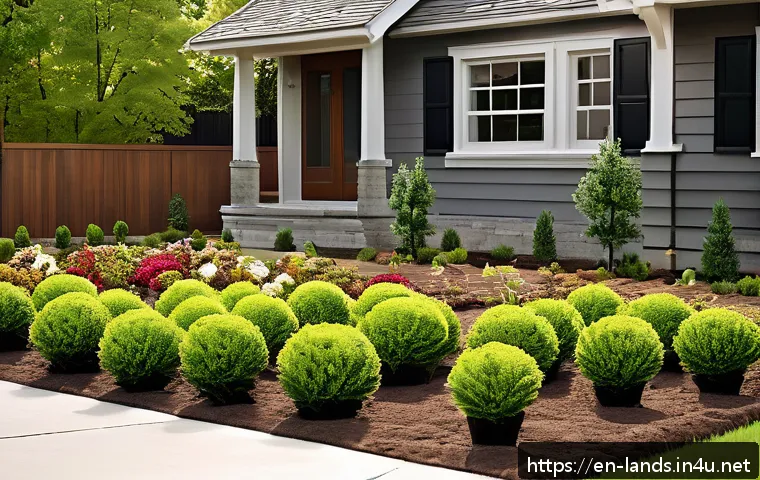
Incorporating Phased Implementation
Breaking your project into phases spreads out expenses and lets you adjust plans based on budget or changing needs. For example, you might start with planting and basic landscaping, then add hardscaping or lighting in later stages.
I found this approach helpful because it gave me time to save up for bigger-ticket items without rushing decisions. Plus, phased work allows you to live with your space and see what truly fits your lifestyle before investing more.
Leveraging Local Resources and Community Programs
Many communities offer free or discounted plants, compost, or workshops through local gardening clubs or municipal programs. I tapped into these resources for native plants and compost, which cut costs and boosted my garden’s sustainability.
Checking with your city’s parks department or extension office can reveal hidden gems that support your project while easing your budget.
Accurately Estimating Equipment and Tool Costs
Renting vs. Buying Equipment
Tools and equipment like lawnmowers, tillers, or trenchers can add up quickly if you plan to buy everything new. Renting is often a smarter choice for one-off or infrequent tasks.
For instance, renting a tiller for a weekend costs a fraction of buying one and eliminates storage worries. When I last prepared a garden bed, renting saved me around $300.
However, if you foresee multiple projects, investing in essential tools might pay off in the long run.
Accounting for Maintenance and Fuel Expenses
Don’t overlook ongoing costs like fuel, maintenance, or repairs for rented or owned equipment. These can add a surprising amount to your budget. I learned this the hard way when my rented lawnmower needed extra gas and a tune-up mid-project.
Planning for these extras upfront helps avoid budget shortfalls and keeps your project timeline intact.
Planning Efficient Use of Equipment to Save Time and Money
Efficiency with equipment use directly translates to cost savings. Planning your tasks to minimize rental days or combining jobs that require similar tools reduces expenses.
For example, scheduling soil preparation, planting, and mulching consecutively lets you keep equipment longer without extra rental fees. Being organized and having a clear work plan is something I always emphasize to anyone tackling landscaping projects.
Comparing Typical Costs for Popular Landscaping Elements
Average Price Ranges and Factors Affecting Them
Landscaping costs vary widely depending on your region, project size, and material choices. Understanding typical price ranges helps set realistic expectations.
Below is a table summarizing average costs for common landscaping components, based on recent market trends in the U.S. These numbers include materials and labor but can vary locally.
| Landscaping Element | Average Cost Range | Key Cost Drivers |
|---|---|---|
| Patio Installation (per sq. ft.) | $10 – $35 | Material type, site prep, size |
| Planting Trees (per tree) | $150 – $500 | Tree size, species, planting difficulty |
| Irrigation System | $1,500 – $3,000 | System complexity, yard size |
| Mulching (per cubic yard) | $30 – $60 | Mulch type, delivery fees |
| Landscape Lighting (per fixture) | $100 – $400 | Fixture type, wiring complexity |
How to Use This Information in Your Budget
Start by selecting the elements you want and identifying the scale of your project. Use the average costs as a baseline, then adjust based on your local market and personal preferences.
Getting multiple quotes from contractors helps confirm these estimates. When I planned my backyard, this approach kept me grounded and prevented me from overcommitting financially.
Balancing Quality and Cost for Long-Term Value
Sometimes paying a bit more upfront for quality materials or skilled labor can save money over time by reducing repairs and replacements. For example, investing in durable pavers and a well-designed drainage system prevented costly fixes in my garden after heavy rains.
Always weigh immediate costs against potential long-term benefits to make informed budgeting decisions.
In Conclusion
Managing a landscaping project budget can feel overwhelming, but understanding material, labor, and unexpected costs makes the process much smoother. Careful planning, accurate estimates, and smart choices help you create a beautiful outdoor space without breaking the bank. From my experience, staying flexible and informed is key to success.
Helpful Tips to Remember
1. Always get multiple quotes for materials and labor to ensure fair pricing and avoid surprises.
2. Consider using native plants and reclaimed materials to save money while enhancing sustainability.
3. Break your project into phases to spread out costs and adjust plans as needed.
4. Set aside a contingency fund of at least 10-20% to cover unexpected expenses.
5. Track your budget regularly and communicate openly with contractors to keep the project on track.
Key Takeaways for Your Project
Budgeting for landscaping requires a balance between cost, quality, and timing. Prioritize accurate quantity estimation and thoughtful design choices to maximize value. Don’t underestimate labor complexities or the impact of seasonal pricing. Preparing for surprises with a contingency fund and maintaining clear communication with suppliers and contractors will help you stay within budget and enjoy a successful project outcome.
Frequently Asked Questions (FAQ) 📖
Q: How can I accurately estimate the total cost of my landscaping project?
A: To get a reliable estimate, start by breaking down the project into smaller components like materials, labor, and equipment rentals. Research current prices for plants, soil, mulch, and hardscape materials in your area.
Don’t forget to factor in labor costs, which can vary depending on the skill level required and local rates. I’ve found that getting multiple quotes from contractors and suppliers helps avoid surprises.
Also, always add a buffer of around 10-15% for unexpected expenses—trust me, it’s saved me from last-minute stress more than once!
Q: What are some common hidden costs I should watch out for in landscaping budgets?
A: Hidden costs can sneak up on you if you’re not careful. These often include permits or inspections if your project involves significant structural changes, delivery fees for materials, and possible irrigation system upgrades.
Another one I’ve encountered is soil preparation—sometimes the ground needs extra work like grading or amending, which adds to labor and material expenses.
Maintenance costs after installation, such as fertilizing or pest control, are often overlooked but important to budget for as well.
Q: How can I save money on my landscaping project without compromising quality?
A: One effective way is to prioritize your project goals and focus on key elements that provide the most impact. For example, investing in durable materials for frequently used areas while choosing cost-effective options for less visible spots.
I also recommend doing some tasks yourself, like planting or basic cleanup, if you have the time and interest. Shopping around for seasonal sales on plants or recycled materials can also stretch your budget.
In my experience, working with a reputable landscaper who understands your budget constraints helps balance cost and quality perfectly.