In today’s world, where environmental awareness is more crucial than ever, landscape design is evolving beyond aesthetics. Balancing creativity with strict environmental regulations can seem daunting, but it’s essential for sustainable success.
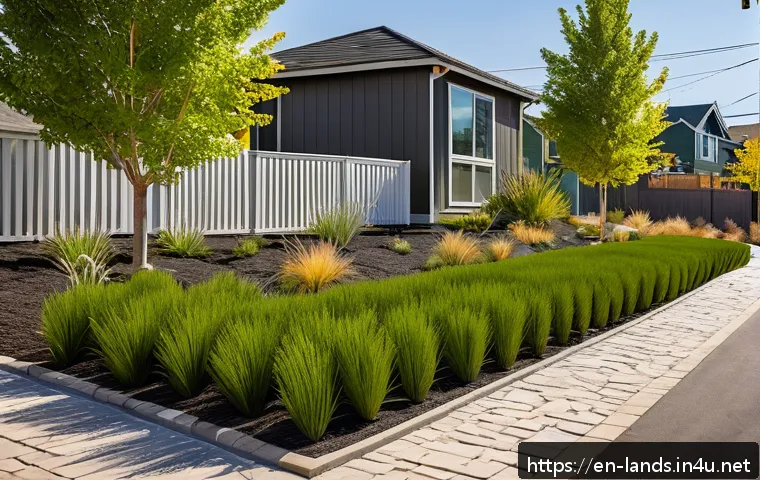
Whether you’re a seasoned professional or a passionate homeowner, understanding these guidelines can transform your projects into eco-friendly masterpieces.
Let’s dive into how you can navigate these rules effectively while creating stunning, responsible landscapes that stand the test of time. This practical guide will shed light on turning challenges into opportunities for greener, smarter designs.
Understanding Local Environmental Regulations and Their Impact
Decoding Zoning Laws and Permits
When it comes to landscaping, zoning laws often dictate what can and cannot be done on a property. These laws vary widely depending on your city or county, and they can affect everything from the types of plants allowed to the size and placement of structures like decks, fences, or water features.
From my experience, the most practical approach is to visit your local planning office or check their online resources early in the design phase. This proactive step saves a ton of headaches later, especially when a project faces delays due to permit denials or unexpected restrictions.
Keep in mind that some areas have specific rules around native plant preservation or water runoff management, which can significantly influence your choices.
Water Use Restrictions and Conservation Mandates
Water conservation has become a huge focus in many regions, especially in drought-prone areas. Local regulations may limit irrigation methods, times of day for watering, or even the total water volume allowed for landscaping.
In my own projects, switching to drip irrigation and using drought-tolerant native plants has been a game changer, not just for compliance but for reducing long-term maintenance costs.
These mandates often push designers to think creatively—rain gardens, permeable pavements, and smart irrigation systems are not just trendy but necessary tools to meet these standards.
Protecting Wildlife and Natural Habitats
Many environmental laws aim to protect local wildlife and their habitats. This can include restrictions on removing trees, disturbing wetlands, or altering natural drainage patterns.
When I worked on a residential site near a protected wetland, we had to carefully map out the buildable area and include buffer zones to comply with regulations.
This sometimes means adjusting your design to coexist with nature rather than overpower it. These rules can initially feel limiting, but embracing them often leads to more innovative and environmentally harmonious outcomes.
Strategies for Selecting Sustainable Materials
Choosing Native and Adapted Plants
Opting for native or well-adapted plants is one of the most effective ways to ensure your landscape thrives with minimal intervention. Native species are naturally suited to the local climate, soil, and pests, which translates to less water, fewer chemicals, and reduced labor.
In my own garden, incorporating native shrubs and perennials drastically cut down on irrigation needs and pest issues. Plus, these plants provide food and shelter for local wildlife, enhancing biodiversity.
When you start selecting plants, check with local extension services or native plant societies to find the best options for your area.
Eco-Friendly Hardscape Choices
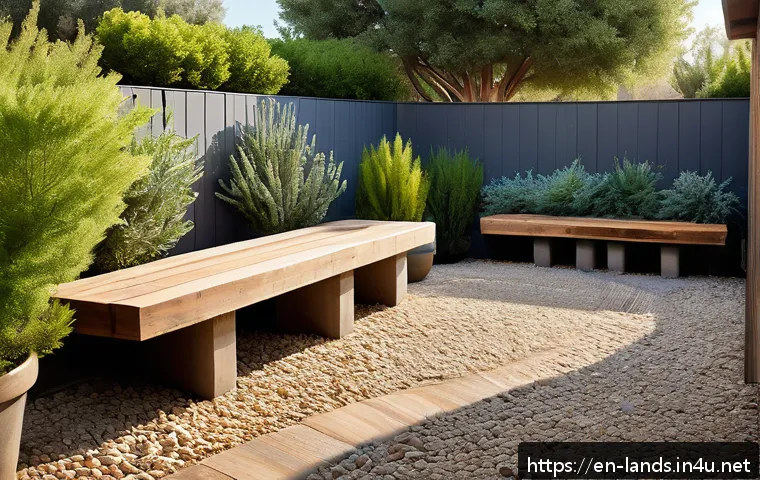
Hardscaping materials can either harm or help the environment depending on their source and durability. Sustainable options include recycled concrete, reclaimed wood, permeable pavers, and locally quarried stone.
I’ve found that permeable pavers not only reduce runoff but also add a natural aesthetic that blends well with green spaces. Avoiding materials that require heavy chemical treatments or come from distant sources also reduces your project’s carbon footprint.
Remember, longevity matters too—choosing durable materials means less frequent replacement and less waste.
Reducing Waste Through Smart Design
Waste reduction starts with thoughtful planning. Designing with modular elements and reusable materials makes it easier to adapt or expand the landscape without generating excess debris.
During a recent project, we reused old bricks from a demolished patio for garden edging, which saved money and reduced landfill contributions. Also, composting green waste on-site can enrich soil and reduce the need for chemical fertilizers.
These practices not only comply with environmental guidelines but often resonate well with clients who value sustainability.
Implementing Effective Water Management Techniques
Designing for Rainwater Harvesting
Rainwater harvesting systems are becoming a cornerstone in sustainable landscaping. They capture runoff from roofs or paved areas and store it for irrigation or even household use.
Installing rain barrels or underground cisterns may require permits, but the benefits are undeniable. I’ve personally seen how integrating these systems into the design reduces water bills and buffers against drought periods.
Effective placement and sizing of these systems are crucial to maximize their efficiency.
Creating Functional Rain Gardens
Rain gardens are shallow, planted depressions that capture and filter stormwater runoff. They help reduce erosion and improve water quality by filtering pollutants before water reaches natural waterways.
When I designed a rain garden for a client’s backyard, it not only solved drainage problems but also became a vibrant habitat for pollinators. Selecting the right native plants and ensuring proper soil composition are key to a successful rain garden.
Using Permeable Surfaces to Enhance Infiltration
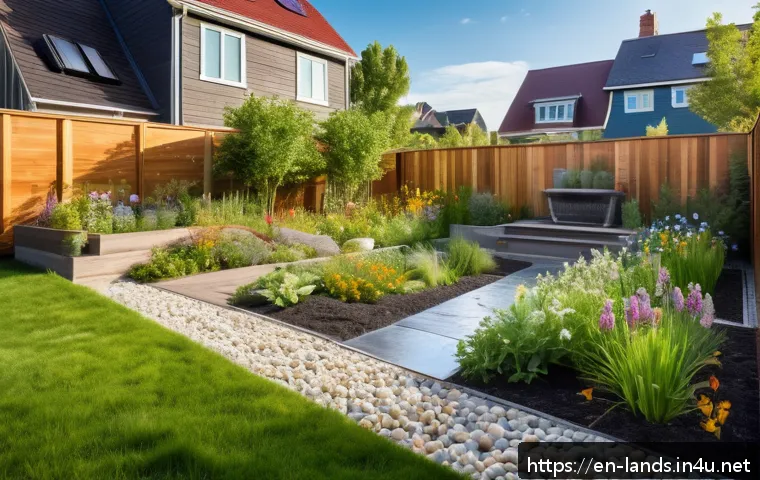
Traditional concrete and asphalt surfaces prevent water absorption, leading to increased runoff and flooding risks. Permeable surfaces, such as porous concrete, gravel, or interlocking pavers, allow water to soak into the ground.
Incorporating these materials in driveways, walkways, and patios can significantly improve site hydrology. While the initial installation cost may be higher, the long-term environmental and regulatory benefits often outweigh these expenses.
Balancing Aesthetic Appeal with Environmental Responsibility
Incorporating Biodiversity into Design
A landscape that supports a wide range of plants and animals is inherently more resilient and attractive. I’ve noticed that clients respond positively to spaces that feel alive and dynamic, with seasonal color changes and pollinator activity.
Adding features like birdhouses, butterfly gardens, or native wildflower meadows can elevate the visual and ecological value of a project. These elements also help fulfill environmental compliance by promoting habitat creation.
Using Low-Impact Lighting Solutions
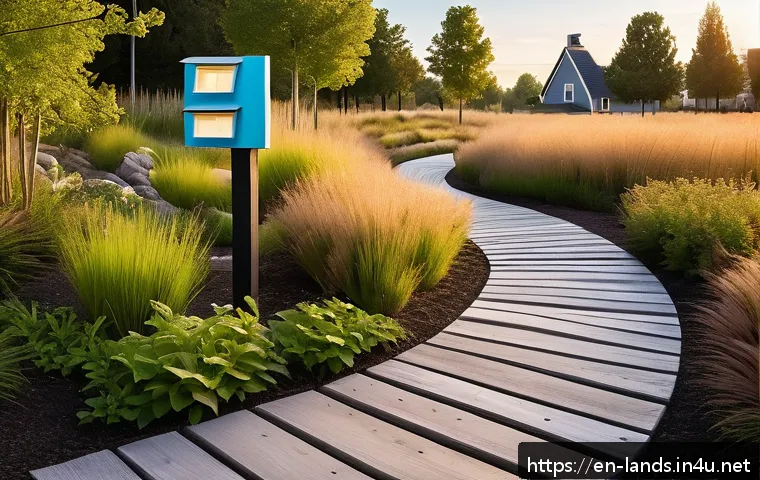
Lighting is often overlooked in sustainability discussions but plays a vital role. Opting for solar-powered or LED fixtures reduces energy consumption and light pollution.
I always recommend using motion sensors and timers to minimize unnecessary use. Thoughtful placement can highlight key landscape features without disturbing nocturnal wildlife or neighbors.
Maintaining Landscapes for Long-Term Sustainability
Sustainable design doesn’t end with installation. Ongoing maintenance practices like mulching, composting, and integrated pest management are critical.
I’ve learned that educating clients about proper care routines ensures their landscape continues to thrive and comply with environmental standards over time.
Avoiding heavy chemical fertilizers and pesticides protects soil health and local waterways, making maintenance a vital part of eco-friendly landscaping.
Common Compliance Challenges and How to Overcome Them
Navigating Bureaucratic Processes
One of the biggest hurdles is dealing with paperwork and approvals. Many times, delays stem from incomplete applications or unclear communication with regulatory bodies.
I recommend establishing a good relationship with local officials and seeking professional help when needed. This proactive approach often speeds up the process and avoids costly redesigns.
Adapting Designs to Changing Regulations
Environmental laws evolve as new research and policies emerge. Staying updated can be tricky, especially for smaller projects. Subscribing to newsletters from environmental agencies or joining professional landscape organizations helps keep your knowledge current.
Flexibility in design allows you to make adjustments without starting from scratch.
Balancing Client Expectations with Legal Constraints
Clients often want dramatic features that may conflict with environmental rules. Clear communication from the start about what’s feasible and why certain restrictions exist builds trust.
Offering creative alternatives that meet both aesthetic goals and compliance requirements is key. I’ve found that showing examples of successful eco-friendly projects helps clients embrace sustainable choices.
Tools and Technologies Supporting Eco-Friendly Landscaping
GIS and Mapping Software for Site Analysis
Geographic Information Systems (GIS) and specialized mapping tools help analyze site conditions like soil type, slope, and hydrology. Using these technologies enhances the precision of your design and ensures regulatory adherence.
I’ve used GIS data to pinpoint sensitive areas that require protection, avoiding costly mistakes.
Smart Irrigation Controllers
Smart irrigation systems adjust watering schedules based on weather and soil moisture, optimizing water use. Integrating these controllers can significantly cut water waste and comply with conservation mandates.
In my projects, these systems reduced water bills by up to 30%, proving their value beyond compliance.
Environmental Monitoring Apps
Apps that track air quality, soil moisture, and temperature provide real-time data to inform landscape management decisions. They also help document compliance for reporting purposes.
Incorporating these tools makes ongoing maintenance more efficient and environmentally responsible.
| Environmental Regulation | Typical Requirements | Design Considerations | Benefits |
|---|---|---|---|
| Zoning and Permitting | Site use limits, setback rules, plant restrictions | Early consultation with authorities, site surveys | Avoids legal issues, ensures smooth project approval |
| Water Conservation | Irrigation limits, drought-tolerant planting | Use native plants, drip irrigation systems | Reduces water bills, supports sustainability |
| Wildlife Protection | Buffer zones, tree preservation, wetland restrictions | Adjust layouts, preserve natural features | Enhances biodiversity, complies with law |
| Material Sustainability | Use of recycled or local materials | Select durable, eco-friendly products | Lower carbon footprint, reduces waste |
| Stormwater Management | Runoff control, infiltration requirements | Install rain gardens, permeable pavements | Prevents flooding, improves water quality |
In Conclusion
Understanding and navigating local environmental regulations is essential for creating sustainable and compliant landscapes. By integrating thoughtful design with eco-friendly practices, you not only protect the environment but also enhance the beauty and functionality of your outdoor space. Taking early steps to research and collaborate with authorities can save time and resources in the long run. Embracing these principles leads to resilient landscapes that benefit both people and nature.
Helpful Information to Keep in Mind
1. Early engagement with local planning offices helps avoid costly delays and ensures your project aligns with zoning and permit requirements.
2. Water conservation strategies like drip irrigation and drought-tolerant plants reduce maintenance costs and meet regional mandates effectively.
3. Protecting wildlife habitats through buffer zones and preserving natural features supports biodiversity and complies with environmental laws.
4. Choosing sustainable materials such as recycled or locally sourced products lowers your project’s carbon footprint and waste generation.
5. Incorporating smart technologies like GIS mapping and smart irrigation systems optimizes resource use and enhances landscape management.
Key Takeaways
Complying with environmental regulations requires proactive planning, clear communication, and flexibility to adapt designs as rules evolve. Prioritizing native plants and sustainable materials not only meets legal standards but also promotes long-term ecological health. Effective water management through rainwater harvesting and permeable surfaces minimizes runoff and conserves resources. Balancing aesthetic appeal with environmental responsibility creates spaces that are both beautiful and beneficial. Finally, leveraging technology and maintaining open dialogue with clients and authorities ensures smooth project execution and lasting sustainability.
Frequently Asked Questions (FAQ) 📖
Q: uestionsQ1: How can I ensure my landscape design complies with environmental regulations without sacrificing creativity?
A: Striking a balance between environmental compliance and creativity is definitely achievable. Start by researching local regulations thoroughly to understand constraints such as water usage limits, native plant requirements, and restrictions on chemical fertilizers.
Then, incorporate sustainable design principles like xeriscaping, rain gardens, and the use of native plants that naturally thrive in your area. These elements not only meet regulations but also offer unique aesthetic opportunities.
From my own projects, blending functionality with creative layouts made the landscapes both eco-friendly and visually captivating.
Q: What are some practical steps for homeowners to make their gardens more sustainable while following environmental guidelines?
A: For homeowners, simple yet effective steps include installing drip irrigation systems to minimize water waste, choosing drought-resistant native plants, and composting garden waste to enrich soil naturally.
It’s also important to avoid invasive species that can harm local ecosystems. I found that integrating rainwater harvesting systems dramatically reduced water bills and supported plant health.
These adjustments not only align with environmental rules but also enhance your garden’s resilience and beauty over time.
Q: Are there any common mistakes to avoid when designing landscapes under strict environmental regulations?
A: Yes, a few pitfalls often trip up designers and homeowners alike. One major mistake is ignoring soil health; poor soil leads to increased need for fertilizers and water, which can violate environmental standards.
Another is overusing non-native or invasive plants that disrupt local biodiversity. Also, failing to consider long-term maintenance can cause compliance issues down the road.
From personal experience, investing time upfront in soil testing and planning for sustainable upkeep made a huge difference in both regulatory adherence and overall landscape success.