Hey there, fellow green thumb enthusiasts and design aficionados! Have you ever scrolled through breathtaking images of public parks or private gardens from across the globe and found yourself utterly captivated?
I know I have. There’s just something incredibly inspiring about seeing how different cultures and climates tackle the art and science of shaping our outdoor world.
As our cities grow denser and the whispers of climate change become louder, landscape architecture isn’t just about pretty plants anymore; it’s about crafting resilient, vibrant, and genuinely livable spaces for everyone.
I’ve noticed a massive shift, and frankly, it’s exciting! From ingenious urban farms popping up in unexpected places to incredible designs that literally clean the air and manage stormwater, the innovation happening worldwide is simply phenomenal.
We’re seeing designers integrate smart technology to conserve water, create stunning sensory gardens that boost our mental well-being, and even rewild urban areas to bring nature back to our doorsteps.
It’s like the whole planet is buzzing with brilliant ideas, pushing the boundaries of what green spaces can truly achieve. If you’re as fascinated as I am by how these global visions can transform our own communities and inspire our next outdoor project, then you’re in for a treat.
Let’s really dig into some amazing overseas case studies together! You won’t believe what incredible lessons are waiting for us.
Biophilic Design: Our Deep Dive into Nature’s Embrace
I’ve always been a firm believer that our environments profoundly shape our inner world, and nowhere is this more evident than in the rising tide of biophilic design.
It’s not just a fancy buzzword; it’s a fundamental understanding that humans have an innate need to connect with nature, and when we design our spaces with this in mind, magic truly happens.
I’ve personally walked through places like Singapore’s Gardens by the Bay, and let me tell you, it’s an experience that transcends mere aesthetics. The sheer ingenuity of their Supertrees, not just as vertical gardens but as integral parts of their sustainable ecosystem, always blows my mind.
The Cloud Forest, with its towering indoor waterfall and lush vegetation, feels like stepping into another dimension, offering a cool, refreshing respite from the tropical heat.
What struck me most was how these designs don’t just look pretty; they actively engage your senses, lower your stress, and make you feel more alive. It’s a testament to how innovative landscape architecture can literally boost our mental well-being and productivity.
I’ve found myself feeling more relaxed, focused, and genuinely uplifted after spending time in such meticulously crafted green havens. This isn’t just about planting a few trees; it’s about creating immersive, living systems that integrate us back into the natural world, even in the densest urban settings.
Bringing Nature Indoors and Out
The beauty of biophilic design is its versatility, stretching from sprawling urban parks to intimate indoor spaces. Think about how many modern offices are now incorporating living walls, natural light, and even water features.
It’s a conscious effort to bring the calming, restorative qualities of the outdoors, inside. And when it comes to outdoor spaces, we’re seeing incredible transformations.
Take for instance, the High Line in New York City. This abandoned elevated railway was reimagined into a linear park that winds through the city, offering a unique perspective and a much-needed green artery.
Walking its length, you’re constantly reminded of nature’s resilience, with carefully curated plantings that evoke the wild beauty of the original self-seeded landscape.
It’s more than just a park; it’s a living testament to human ingenuity and nature’s enduring power, showing us how we can reclaim and revitalize even the most derelict urban infrastructure.
The way people interact with it, lingering on benches, enjoying public art, or simply strolling through, speaks volumes about our craving for green.
The Healing Power of Green Spaces
I’ve always been fascinated by the therapeutic benefits of nature. There’s a growing body of evidence, and my own personal experience backs this up, that spending time in well-designed green spaces can significantly reduce stress, improve mood, and even accelerate physical healing.
This is particularly crucial in our fast-paced, digital-heavy lives. Consider the rise of therapeutic gardens in hospitals and care facilities around the world.
These aren’t just decorative plots; they are intentionally designed environments that provide sensory stimulation, opportunities for gentle exercise, and a calming escape.
I’ve seen how a simple view of greenery from a hospital window can make a profound difference in a patient’s recovery. Landscape architects are increasingly collaborating with healthcare professionals to craft these healing landscapes, recognizing that connection to nature isn’t a luxury, but a fundamental human need that contributes directly to our overall health and happiness.
Resilient Cities: Tackling Climate Change Head-On with Green Infrastructure
Honestly, the urgency of climate change feels more palpable every day, and it’s inspiring to see how landscape architecture is stepping up to the plate, designing cities that can truly withstand and even thrive amidst environmental challenges.
We’re moving beyond mere aesthetics to creating truly functional, resilient urban ecosystems. I’ve been tracking projects like Copenhagen’s Cloudburst Management Plan, and it’s a brilliant example of proactive design.
Instead of just burying pipes deeper, they’re rethinking their entire urban landscape to manage extreme rainfall. They’re transforming streets, parks, and plazas into interconnected green spaces that can temporarily hold and then slowly release massive amounts of water, preventing devastating floods.
It’s not just about drainage; it’s about creating beautiful, multi-functional public spaces that double as climate defense mechanisms. This kind of innovative thinking, integrating engineering with ecological principles, is what excites me most about the future of our cities.
It makes me feel optimistic that we can indeed build better, more adaptable environments.
Innovative Stormwater Solutions
Traditional stormwater management often involves simply channeling water away as quickly as possible, usually into underground systems that can get overwhelmed.
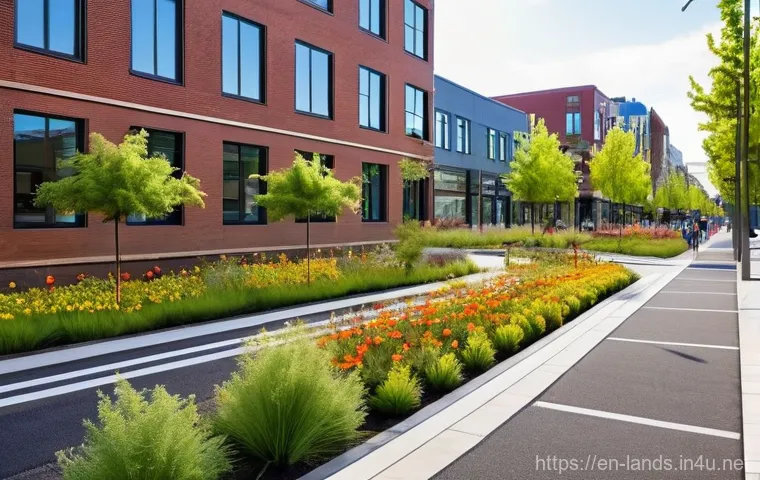
But what I’ve seen in places like Portland, Oregon, with their “Green Streets” initiative, is a game-changer. They’re integrating rain gardens, permeable pavements, and vegetated swales directly into their streetscapes.
These elements capture rainwater, filter pollutants, and allow the water to slowly infiltrate the ground, replenishing groundwater and reducing the strain on conventional infrastructure.
It’s a win-win-win: cleaner water, reduced flood risk, and more vibrant, green public spaces. I’ve found that these approaches not only solve a critical environmental problem but also make neighborhoods feel more inviting and livable.
It’s a subtle but powerful shift in how we view our public realm – from mere conduits for traffic to living, breathing landscapes that perform vital ecological functions.
Cooling Urban Heat Islands
Anyone who’s spent a summer in a major city knows the oppressive feeling of an urban heat island – those areas where concrete and asphalt absorb and radiate heat, making temperatures significantly higher than in surrounding rural areas.
This isn’t just uncomfortable; it’s a serious health risk. What I’ve seen happening globally, and it’s something I truly believe in, is the strategic use of green infrastructure to combat this.
From extensive tree planting programs that provide crucial shade to green roofs and vertical gardens that cool buildings and the air around them, landscape architects are literally designing cooler cities.
Projects like the “Forest City” concept in China, while ambitious, highlight the potential for integrating greenery at every scale to mitigate heat. Even in smaller ways, like increasing permeable surfaces in plazas, we can make a huge difference.
These efforts not only drop temperatures but also improve air quality and create more pleasant environments for everyone.
Cultivating Community Through Thoughtful Landscape Design
I’ve always believed that great public spaces are the heart of a thriving community. It’s where people connect, share experiences, and build a sense of belonging.
And frankly, I’ve noticed a significant shift in how landscape architects are approaching this – moving beyond just pretty layouts to really understanding the sociology of a space.
They’re designing places that actively encourage interaction, offer diverse activities, and reflect the unique identity of the people who use them. Think about Toronto’s Bentway, for example.
This ingenious project transformed the under-freeway space into a dynamic public realm, complete with skating trails, markets, and performance areas. It took a previously overlooked, even intimidating, area and turned it into a vibrant community asset.
What I love about these projects is their commitment to placemaking – not just building something, but creating a ‘place’ with meaning and purpose.
From Concrete Jungles to Social Hubs
For too long, urban planning often prioritized cars and buildings over people. But I’m thrilled to see a global trend towards reclaiming public space for human connection.
We’re witnessing the transformation of forgotten industrial zones, underpasses, and even rooftops into vibrant social hubs. It’s about designing for human scale and human experience.
Places like the Superkilen Park in Copenhagen are brilliant examples. This park literally brings together elements from over 50 different countries – from Moroccan fountains to Japanese cherry trees – creating a truly international public space that celebrates diversity and encourages dialogue.
When I see families gathering, friends chatting, and children playing in these types of spaces, it warms my heart. It’s proof that with thoughtful design, we can knit our communities closer together, one park, one plaza at a time.
User-Centric Planning: Giving Voice to the Community
One of the most powerful shifts I’ve observed is the increasing emphasis on community engagement in the design process. It’s no longer just about architects dictating what they think is best; it’s about genuine collaboration with the people who will actually use the space.
Organizations like Project for Public Spaces (PPS) have been championing this for decades, advocating for a “power of 10” philosophy, where great places offer at least 10 things to do.
I’ve personally seen how involving local residents in design workshops, listening to their needs, and incorporating their ideas can lead to spaces that are not only beautiful but also deeply cherished and well-utilized.
When people have a hand in shaping their environment, they develop a sense of ownership and pride that ensures the long-term success and vitality of these green spaces.
It’s a truly empathetic approach to design that puts people first.
The Rise of Urban Foodscapes: Harvesting Hope in Our Cities
As someone who loves good food and sustainable living, I can’t tell you how excited I am about the explosion of urban foodscapes around the world. It’s a fantastic blend of landscape architecture, community engagement, and environmental stewardship.
We’re seeing everything from rooftop farms providing fresh produce to high-end restaurants, to sprawling community gardens transforming neglected lots into vibrant, productive oases.
It’s not just about growing food; it’s about educating people on where their food comes from, fostering local economies, and creating new green spaces that are both beautiful and beneficial.
I’ve followed stories from places like The Plant in Chicago, an incredible vertical farm operating out of an old meatpacking facility, showing how even industrial spaces can be repurposed for sustainable food production.
It truly feels like a quiet revolution, bringing food production closer to consumption, cutting down on food miles, and building a more resilient food system.
Harvesting Hope in the City
Imagine walking through your neighborhood and seeing not just ornamental shrubs, but edible landscapes, laden with fruits, vegetables, and herbs. That’s the vision that many landscape architects are now bringing to life.
These aren’t just utilitarian gardens; they’re thoughtfully designed spaces that integrate food production seamlessly into the urban fabric. I’ve seen some incredible examples where public parks incorporate fruit trees and berry bushes that are free for anyone to harvest, fostering a sense of shared abundance.
This approach not only provides fresh, healthy food but also creates educational opportunities, allowing city dwellers, especially children, to connect with nature and understand the agricultural process firsthand.
It’s a powerful way to make our cities more self-sufficient and to reconnect us with the fundamental rhythms of the earth.
Community-Powered Edible Landscapes
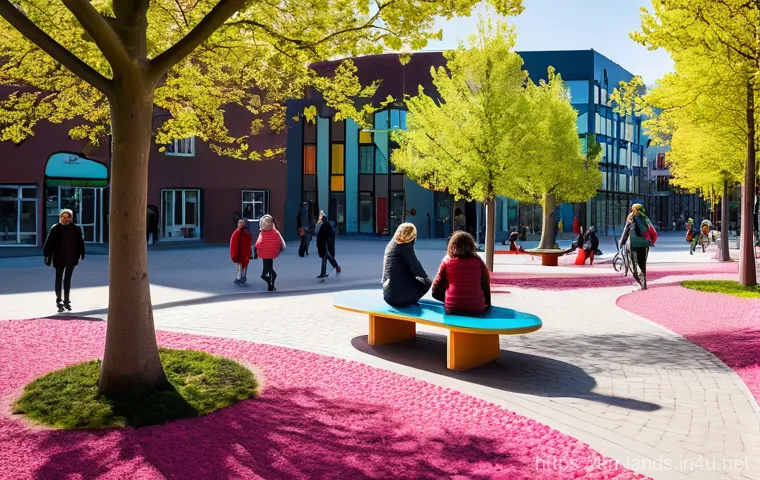
What truly captivates me about urban foodscapes is the powerful sense of community they often cultivate. Take the “Incredible Edible Todmorden” initiative in the UK.
This grassroots movement transformed an entire town into an edible landscape, with public spaces, schools, and even train stations planted with vegetables and herbs that everyone can pick.
It’s not just about food; it’s about collective action, fostering local pride, and building social bonds. I’ve found that these kinds of projects create natural gathering points, where people of all ages and backgrounds come together to plant, tend, and harvest.
It’s a beautiful, tangible example of how landscape architecture can be a catalyst for social change, creating not just greener spaces, but stronger, more connected communities.
Re-wilding Our Concrete Jungles: Bringing Biodiversity Back
There’s something incredibly powerful about watching nature reclaim a space, and the global trend of re-wilding our urban areas is absolutely fascinating.
It’s about more than just planting a few flowers; it’s about intentionally designing landscapes to encourage biodiversity, restore ecological processes, and allow wildness to flourish within our cities.
I’ve been so inspired by projects that transform former industrial sites or neglected areas into thriving wildlife habitats. The Olympic Park in London, post-2012 Games, is a prime example.
They didn’t just build a park; they created extensive wetlands and diverse habitats that have attracted an astonishing array of birds, insects, and other wildlife.
It feels like a promise kept – that even after massive human intervention, nature can, and should, find a way back. This isn’t just for the animals; it enriches our lives, allowing us to connect with the raw beauty of the natural world right on our doorsteps.
Restoring Biodiversity in Unexpected Places
It’s easy to think of biodiversity as something only found in remote national parks, but I’m seeing incredible efforts to bring it right into the heart of our cities.
Landscape architects are using native plantings, creating pollinator gardens, and even designing “green bridges” or ecological corridors that allow wildlife to safely navigate urban areas.
I vividly remember learning about projects like those in Düsseldorf, Germany, where they’re enhancing green infrastructure along the Rhine to create better habitats for local species.
These aren’t just patches of green; they’re carefully considered ecological networks that provide food, shelter, and migratory paths for everything from bees and butterflies to small mammals.
It’s a conscious effort to reverse the trend of urban sprawl diminishing natural habitats, proving that our cities can indeed coexist with a vibrant natural world.
Creating Ecological Corridors: Connecting Fragments of Nature
One of the biggest challenges for urban wildlife is fragmentation – isolated pockets of greenery that can’t support thriving populations. What I’ve seen as a brilliant solution is the concept of ecological corridors, designed by visionary landscape architects.
These are strips of habitat that connect larger green spaces, allowing animals and plants to move between them, fostering genetic diversity and ecosystem health.
Think of green roofs that extend across city blocks, or tree-lined pathways that link parks to riversides. It’s like building a series of stepping stones for nature, making our urban environments more permeable and hospitable to wildlife.
The beauty of it is that these corridors often double as fantastic recreational paths for people, demonstrating how ecological functionality and human enjoyment can go hand-in-hand.
Smart Green Spaces: Where Technology Meets the Natural World
As a self-professed tech enthusiast, I get genuinely excited when I see technology being used to enhance, rather than detract from, our connection with nature.
Smart green spaces are becoming a fascinating frontier in landscape architecture, leveraging data and innovation to create more efficient, sustainable, and engaging outdoor environments.
It’s not about replacing natural processes with machines, but about using technology as a tool to better understand, manage, and even interact with our green infrastructure.
I’ve seen applications ranging from sensors that monitor soil moisture, optimizing irrigation and saving precious water, to interactive installations that respond to human presence, creating dynamic and playful public spaces.
It really feels like we’re just scratching the surface of what’s possible, and I find that incredibly invigorating. This fusion of tech and nature is paving the way for a smarter, greener future.
Leveraging Data for Greener Outcomes
The amount of data we can collect from our environments today is astounding, and landscape architects are increasingly using this to create more intelligent and adaptive green spaces.
Imagine parks where sensors track everything from air quality and pedestrian traffic to tree health and water runoff. This data can then inform maintenance schedules, optimize planting choices, and even help predict how a space will be used, allowing for more responsive design.
I’ve been following projects that use real-time environmental data to trigger automated irrigation systems only when truly needed, significantly reducing water waste.
It’s about moving from guesswork to informed decision-making, ensuring that our green investments are as effective and sustainable as possible. This approach, I’ve found, leads to healthier landscapes and more efficient resource management.
Interactive and Adaptive Environments
Beyond just efficiency, smart technology is also making our green spaces more engaging and interactive. We’re seeing parks with interactive lighting installations that respond to sound or movement, or digital art displays integrated into natural settings.
These elements can transform a static space into a dynamic experience, encouraging play, exploration, and social interaction. Imagine a public garden where augmented reality apps provide information about plants or local wildlife, making a stroll through the park an educational adventure.
This blending of the digital and physical realms creates unique opportunities for engagement, especially for younger generations. It shows me that future green spaces won’t just be passive places to observe nature, but active, adaptive environments that offer a rich tapestry of experiences.
| Trend Category | Key Benefit to Urban Living | Example City/Project | Impact on Well-being/Sustainability |
|---|---|---|---|
| Biophilic Design | Improved mental health, stress reduction, connection to nature | Gardens by the Bay, Singapore | Significantly enhances psychological well-being; fosters environmental appreciation. |
| Urban Resilience | Flood mitigation, heat island reduction, climate adaptation | Copenhagen Cloudburst Plan | Protects communities from extreme weather; improves urban air quality. |
| Community Engagement | Enhanced social cohesion, placemaking, cultural identity | The Bentway, Toronto | Strengthens community bonds; provides diverse recreational opportunities. |
| Urban Foodscapes | Local food security, environmental education, green space creation | Incredible Edible Todmorden, UK | Increases access to fresh produce; educates on sustainable food systems. |
| Re-wilding Initiatives | Biodiversity enhancement, ecological restoration, habitat creation | Olympic Park, London | Restores ecological balance; offers urban wildlife sanctuary. |
| Smart Green Spaces | Resource efficiency, interactive experiences, data-driven management | Various “Smart City” projects | Optimizes water/energy use; creates dynamic and responsive public areas. |
Wrapping Up
As we’ve journeyed through these incredible trends, it’s clearer than ever that landscape architecture is so much more than just pretty parks. It’s truly at the forefront of shaping our future cities, making them more resilient, healthy, and genuinely joyful places to live. I feel incredibly optimistic about the power of thoughtful design to tackle some of our biggest challenges, from climate change to fostering stronger communities. It really shows how our environments can uplift us all, proving that with a little creativity and a lot of green, we can build a better tomorrow.
Useful Information to Keep in Mind
1. Start small with biophilic design in your own home. Even incorporating more houseplants, maximizing natural light, or choosing natural materials like wood and stone can make a huge difference in your mood and focus. I’ve personally seen how a strategically placed plant near my workspace can truly transform my concentration and overall sense of calm. It’s about creating your personal oasis, a little slice of nature in your everyday life, and it doesn’t have to break the bank. Just opening those blinds and letting the sun stream in is a fantastic first step towards a greener, calmer living space that truly feels like a breath of fresh air.
2. Get involved with your local parks and green initiatives. Many cities have volunteer programs for planting trees, maintaining community gardens, or participating in clean-up drives. It’s a fantastic way to connect with your neighbors, learn new skills, and actively contribute to the greening of your community. I’ve spent countless weekends at my local community garden, and not only have I made some wonderful friends, but I also feel a deep sense of pride in seeing our collective efforts flourish. Plus, nothing beats the taste of fresh, homegrown produce that you’ve helped cultivate yourself!
3. Pay attention to how your city is addressing climate change through green infrastructure. Look for rain gardens, permeable pavements, and new tree plantings in your neighborhood. Understanding these efforts can help you appreciate the foresight behind urban planning and even encourage you to advocate for more such initiatives in your own area. It’s truly amazing to see how some cities are turning potential problems, like heavy rainfall, into opportunities for beautiful and functional public spaces that protect us all. This proactive approach is vital for securing a sustainable future for everyone, and our engagement can help push these important projects forward.
4. Seek out urban farms, community gardens, or even farmers’ markets that source locally grown produce. Supporting these initiatives not only provides you with fresh, healthy food but also strengthens local economies and reduces your carbon footprint. I’ve discovered some incredible hidden gems – small-scale farms right in the city that offer produce picked just hours before. The taste difference is unbelievable, and it feels good knowing exactly where my food comes from and that I’m supporting a more sustainable food system. It’s a delicious way to contribute to a greener world, and often, you’ll find unique varieties you won’t get anywhere else.
5. Encourage biodiversity in your own backyard or balcony. Planting native species, creating a small pollinator garden, or even leaving a patch of your lawn a little wild can attract local insects, birds, and other wildlife. Every little bit helps in creating ecological corridors and supporting the delicate balance of nature in urban environments. I’ve been amazed by the variety of butterflies and bees that visit my small balcony garden when I choose native flowers that are indigenous to my region. It’s a tiny ecosystem right outside my door, and it brings so much joy to watch nature thrive in unexpected urban places.
Key Takeaways
To sum it all up, the world of landscape architecture is dynamically evolving, shaping our urban environments into places that are not only beautiful but also deeply functional and sustainable. What I’ve truly come to understand is that connecting with nature isn’t just a luxury; it’s a fundamental human need that can profoundly impact our well-being, community spirit, and resilience against environmental challenges. From the calming embrace of biophilic design to innovative solutions for climate change, and the fostering of vibrant community hubs to the surprising bounty of urban foodscapes, these trends are showing us a brighter, greener future. Ultimately, it’s about creating spaces that truly nourish both people and the planet, making our concrete jungles feel a little more like home, and a lot more like a living, breathing ecosystem. I’m genuinely excited to see where these incredible innovations take us next, knowing that thoughtful design holds immense power to improve our daily lives and leave a positive legacy for generations to come.
Frequently Asked Questions (FAQ) 📖
Q: How can these amazing global landscape architecture ideas actually be brought to life in our own backyards or local communities?
A: Oh, this is the question I get asked most often, and honestly, it’s where the real magic happens! It’s easy to feel a bit overwhelmed by the sheer scale of some of these international projects, right?
Like, “How do I turn my small patch of grass into a stormwater-managing, biodiversity-boosting wonderland?” But here’s the cool thing: the core principles are totally scalable.
From my own adventures, I’ve learned that the first step is often just starting small. Think about a mini “rewilding” project in your own backyard – planting native species that thrive in your climate and attract local pollinators.
It’s amazing to see the buzz of life return, even in a small space! For communities, I’ve seen incredible transformations start with a single dedicated group.
Look at places where neighbors have turned a neglected corner lot into a vibrant community garden, like the Lafayette Greens Urban Garden in Detroit that revitalized an underutilized area.
Or consider advocating for “green infrastructure” in your local town meetings. Even small-scale interventions, like permeable paving or rain gardens in public spaces, can make a huge difference in managing stormwater and keeping our waterways cleaner.
It’s all about a collective effort and a little bit of creative thinking. I genuinely believe that every little bit of green, thoughtfully designed, adds up to a healthier, happier community.
Q: Could you share a few standout examples of these innovative overseas projects? I’m curious to see what ‘smart tech’ or ‘rewilding’ actually looks like!
A: Absolutely! I love digging into these. If you want to see rewilding and smart integration in action, Singapore is a masterclass!
First up, there’s the incredible Bishan-Ang Mo Kio Park. What used to be a straight, concrete canal was transformed into a beautiful, meandering natural river, complete with wetlands and diverse habitats.
I remember seeing photos of it and being utterly blown away by how they integrated flood management with creating a stunning recreational space. It’s a prime example of how letting nature take the lead can solve very real urban problems.
Then, of course, you can’t talk about Singapore without mentioning Gardens by the Bay. Those “Supertrees” aren’t just iconic; they’re vertical gardens that support an immense diversity of plants, collect rainwater, and even house environmental systems.
It’s a perfect blend of high-tech and natural beauty. For smart technology in general, the application of virtual reality (VR) and augmented reality (AR) in the design phase is mind-blowing.
Designers can now create immersive 3D walkthroughs for clients, letting them “experience” their future garden before a single shovel hits the dirt. And let’s not forget smart irrigation systems that use sensors and real-time weather data to optimize water usage, saving precious resources.
These projects really show that landscape architecture today isn’t just about aesthetics; it’s about pioneering a more sustainable future.
Q: Beyond just looking pretty, what are the real, tangible benefits of embracing these cutting-edge landscape designs?
A: Oh, it’s so much more than just good looks, believe me! When we talk about embracing these forward-thinking landscape designs, we’re really investing in a healthier planet and happier communities.
From what I’ve observed firsthand, the environmental benefits are huge: improved air quality, better stormwater management that reduces flooding and pollution, and a big boost to urban biodiversity by providing habitats for local wildlife.
It’s like our cities can breathe a little easier! But it doesn’t stop there. The social impact is equally profound.
Green spaces, especially those designed for sensory engagement or community farming, have a remarkable way of fostering connection and improving mental well-being.
Think about a vibrant community garden or a beautifully designed park – they become vital hubs for people to relax, socialize, and reconnect with nature.
And for me, personally, spending time in these thoughtfully designed green spaces always leaves me feeling refreshed and inspired. Finally, there’s a real economic upside too.
These projects can increase property values, reduce energy costs through natural cooling, and even contribute to local food security through urban farms, like AeroFarms in New Jersey, which uses vertical farming to grow produce year-round with significantly less water.
It’s a win-win-win, if you ask me!