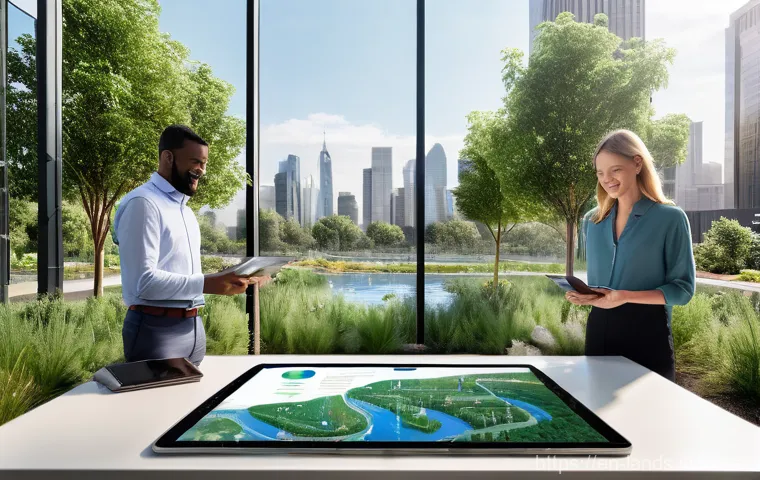
Hey everyone, it’s your favorite green thumb here, back with some insider tips that are going to seriously level up your career game! Landscaping isn’t just about making things pretty anymore; it’s a dynamic, evolving field that demands real skill, creativity, and a solid understanding of everything from sustainable design to smart water management.
I’ve been through my fair share of interviews, both as the one answering questions and, believe it or not, as the one asking them, and let me tell you, the game has changed dramatically.
Gone are the days when a basic plant knowledge quiz would cut it. Today’s employers are looking for visionaries who can tackle everything from intricate garden renovations to large-scale urban greening projects, all while keeping an eye on the latest environmental trends and client expectations.
It can feel a bit daunting, right? But don’t you worry, because I’m here to spill all the beans. Whether you’re a seasoned pro looking for a fresh challenge or just starting your journey, acing that interview is key, and I’ve got the playbook you need to confidently walk in and land that dream job.
We’re going to dive deep into exactly how to impress even the toughest hiring managers, ensuring you’re fully prepared for whatever comes your way. Let’s make sure you’re not just ready, but absolutely unstoppable in your next interview!
Mastering the Art of Sustainable Design Storytelling

When I first started out, it felt like everyone just wanted to know if I could identify a hydrangeas from a hosta. And while plant knowledge is absolutely foundational, let me tell you, that’s barely scratching the surface of what makes a successful landscape professional today. The real game-changer now is being able to articulate not just *what* you can design, but *why* it matters, especially when it comes to sustainability. Employers aren’t just looking for someone who can draw pretty pictures; they want a visionary who understands the ecological implications of every choice, from the permeable pavers you recommend to the native plant palette you champion. I’ve sat on both sides of that interview table, and I can tell you, the candidates who really stood out were those who could weave a compelling story about how their designs contribute to a healthier planet and more resilient communities. It’s about demonstrating a deep understanding of water conservation, biodiversity, and energy efficiency, and then showing how you’ve actively implemented those principles in your past work. Don’t just list techniques; illustrate the impact. Share a specific project where your sustainable approach led to a measurable benefit, whether it was reduced water usage, increased local wildlife, or enhanced urban heat island mitigation. That’s the kind of concrete evidence that truly resonates and shows you’re not just talking the talk, but walking the walk. It proves you’re not just a designer; you’re an environmental steward with a practical toolkit.
Beyond Just “Eco-Friendly”: Diving Deep into Impact
Forget the generic buzzwords. Saying “I’m passionate about eco-friendly design” is nice, but it doesn’t tell me much. What truly impresses is when you can dissect specific challenges and propose innovative, sustainable solutions with confidence. For instance, rather than simply stating you use native plants, explain *why* you chose a particular species for its drought resistance, its ability to support pollinators, or its role in stormwater management on a specific site. I remember once interviewing a candidate who shared how they transformed a barren, erosion-prone slope into a thriving rain garden using only local, adaptive species. They detailed the specific plants, the soil amendments, and the storm events it successfully managed. That level of detail, that connection between theory and practical application, is incredibly powerful. It shows you’ve moved beyond surface-level understanding and can truly integrate sustainable practices into functional, beautiful designs. It also demonstrates an understanding of the long-term maintenance and cost savings associated with these choices, which is music to any client’s or employer’s ears.
Showcasing Your Problem-Solving Muscle
Every project, no matter how small, presents a unique set of constraints and opportunities. Hiring managers want to see how you approach these challenges, especially through a sustainable lens. Think about times you’ve had to get creative to overcome obstacles like poor soil quality, limited space, or strict budgetary restrictions, all while adhering to sustainable principles. Did you implement a novel greywater recycling system in a water-scarce region? Did you find an innovative way to reuse demolition debris as landscape material? Share those stories! Describe the problem, your thought process in exploring sustainable options, the solution you implemented, and the positive outcomes. It’s not just about showcasing your knowledge, but your ability to think critically, adapt, and innovate under pressure. When I look at a portfolio, I’m not just seeing the pretty pictures; I’m trying to visualize the thought process, the sweat, and the ingenious solutions that went into creating that space. A compelling narrative around problem-solving makes your expertise undeniable.
Beyond the Blueprint: Showcasing Your Project Management Prowess
Look, anyone can draft a beautiful plan on paper, but turning that vision into a tangible reality, on time and within budget, that’s where the magic truly happens. And frankly, that’s what makes you indispensable to any firm. I’ve seen countless stunning designs that never quite made it past the concept phase because the designer lacked the practical project management chops to navigate the complexities of construction, procurement, and coordination. Employers are absolutely desperate for professionals who can not only design but also lead. This means demonstrating your ability to manage schedules, oversee contractors, communicate effectively with diverse teams, and anticipate potential roadblocks before they derail an entire project. It’s about proving you can be the steady hand that guides a project from its initial sketch to its glorious completion, ensuring quality every step of the way. Share anecdotes where you successfully resolved a conflict on site, adapted to unforeseen material delays, or managed a complex permitting process. These real-world examples are gold because they show you’re not just a creative mind, but a strategic operator who can handle the nitty-gritty details that make or break a project’s success. This is where your true value as a team player and leader shines through, proving you’re ready for more than just design tasks.
Orchestrating Teams and Timelines
A landscape project is rarely a solo endeavor. It involves a symphony of different professionals: architects, civil engineers, contractors, suppliers, and, of course, the client. Your ability to effectively coordinate these moving parts is critical. During interviews, I always look for candidates who can speak to their experience in managing communication flows, setting realistic deadlines, and holding team members accountable. Have you ever had to step in and mediate a dispute between a client and a contractor? Or maybe you developed a clever system to track progress and ensure everyone was on the same page? Share those moments! They reveal your leadership potential and your capacity to keep projects running smoothly. It’s about demonstrating that you can foster collaboration, resolve issues proactively, and keep everyone focused on the common goal. This isn’t just about scheduling; it’s about building relationships and ensuring a cohesive, productive work environment, which directly impacts the project’s quality and profitability.
Budgeting Brilliance: Making Every Dollar Count
Let’s be real, even the most breathtaking design is useless if it’s financially unfeasible. Understanding the financial implications of your design choices is paramount. Employers want to know that you can work within budgetary constraints, procure materials cost-effectively, and even identify opportunities for value engineering without compromising the design integrity or environmental goals. Think about projects where you had to get creative to stretch a limited budget, perhaps by sourcing salvaged materials or strategically phasing a project. Can you explain how you track expenses, manage change orders, and ensure profitability? I’ve found that candidates who can articulate their approach to financial management, showing how they delivered exceptional results while being fiscally responsible, truly stand out. It demonstrates a holistic understanding of the business, proving you’re not just an artist, but a smart investor in every project you undertake. It shows you respect the client’s money as much as your own creative vision.
| Key Interview Discussion Point | Why it Matters to Employers | How to Prepare/Showcase |
|---|---|---|
| Sustainable Design Philosophy | Shows forward-thinking, environmental responsibility, and adaptability to modern client demands. | Highlight specific projects/solutions that achieved measurable environmental benefits (water, biodiversity). |
| Project Management Skills | Indicates ability to deliver projects on time, within budget, and with effective team coordination. | Share examples of overcoming project challenges (delays, budget cuts, team conflicts). |
| Client Relationship Building | Crucial for repeat business, positive reputation, and clear communication throughout project lifecycle. | Describe how you managed difficult client requests or successfully set realistic expectations. |
| Technological Proficiency | Demonstrates efficiency, accuracy, and readiness for modern design and presentation tools. | Mention specific software (CAD, GIS, rendering tools) and how you’ve applied them effectively. |
| Business Acumen | Reflects understanding of project profitability, cost control, and overall firm success. | Discuss how you’ve contributed to cost-saving measures or identified revenue opportunities. |
Crafting Your Narrative: Why Your “Why” Matters Most
I can’t stress this enough: in today’s competitive landscape, employers aren’t just hiring a set of skills; they’re hiring a person. They want to know what drives you, what excites you, and what kind of energy you’ll bring to their team. It’s about your “why”—your core motivations, your passion for this incredible field. When you can articulate this authentically, you move beyond being just another resume in a pile and become a memorable individual. I remember once asking a candidate why they chose landscaping, and instead of a generic answer, they shared a heartfelt story about growing up in a city with little green space and how that ignited a desire to bring nature back into urban environments. That kind of personal connection, that emotional resonance, truly sticks with you. It signals dedication, genuine interest, and a sense of purpose that goes beyond just collecting a paycheck. It also helps the hiring manager envision you as a long-term fit, someone who will be invested in the company’s mission and growth, not just passing through. Your “why” provides a window into your values and your potential contribution to the company’s culture and success.
Authenticity Wins: Sharing Your Passion
It’s easy to spot a canned answer, trust me. Instead of rehearsing generic statements, dig deep and find the genuine excitement you have for landscape architecture. What specific aspects of the work truly light you up? Is it the tactile experience of working with plants and soil? The intellectual challenge of solving complex environmental puzzles? The satisfaction of seeing a neglected space transform into a vibrant community hub? Don’t be afraid to let that passion shine through. Share a personal anecdote that illustrates your love for the craft. Maybe it’s a childhood memory of tending a garden with a grandparent, or a transformative experience you had while exploring a national park. These stories are unique to you, and they create a human connection that a list of qualifications simply can’t achieve. This authenticity is incredibly refreshing and makes you instantly more engaging. It shows you’re not just performing a job, but pursuing a calling, and that infectious enthusiasm is something any team would be lucky to have.
Connecting Your Values to Their Vision
Once you understand your “why,” the next step is to connect it to the company’s “why.” Research their projects, their mission statement, their values. Do they specialize in ecological restoration? Are they focused on urban planning and community development? How do your personal aspirations align with their goals? Being able to draw those parallels shows that you’ve done your homework and that you’re genuinely interested in *their* specific work, not just *any* job. For example, if a firm is renowned for its innovative public parks, you could share how your passion for creating accessible green spaces aligns perfectly with their portfolio, perhaps referencing a specific park they designed that inspired you. This demonstrates that you’re not just looking for a job, but for a meaningful partnership where your contributions will be valued and aligned with a shared vision. It turns the interview into a conversation about mutual growth and shared impact, which is a powerful way to leave a lasting impression.
The Tech Edge: Integrating Modern Tools into Your Portfolio
Let’s face it, the days of relying solely on hand sketches and basic CAD drawings are long gone. While those foundational skills are still incredibly valuable, the landscape architecture industry has embraced technology with open arms, and employers expect you to be fluent in the latest digital tools. From advanced GIS mapping and 3D modeling to virtual reality walkthroughs and smart irrigation systems, technology is transforming how we design, present, and manage projects. When I’m interviewing candidates, I’m not just looking for someone who can operate software; I’m looking for someone who understands *how* to leverage these tools to enhance efficiency, accuracy, and client engagement. Can you use drone footage to conduct site analyses? Can you create immersive virtual experiences that help clients visualize a project before ground is even broken? Showcasing your proficiency in these areas isn’t just about technical skill; it’s about demonstrating your commitment to staying current, your capacity for innovation, and your ability to bring cutting-edge solutions to the table. This is where you can truly differentiate yourself from candidates who might be relying on outdated methods, proving you’re ready for the challenges and opportunities of modern practice.
Digital Design: From CAD to Virtual Walkthroughs
Your portfolio should be a showcase of your digital prowess. While a strong foundation in AutoCAD or similar drafting software is a given, consider going beyond. Have you explored 3D modeling with programs like SketchUp, Rhino, or Revit? Can you create stunning photorealistic renderings with V-Ray or Lumion? Even better, have you dabbled in virtual reality (VR) or augmented reality (AR) to give clients an immersive experience of your proposed designs? I’ve seen clients absolutely blown away by a VR walkthrough, allowing them to “step into” their future garden or park before it even exists. These advanced visualization techniques aren’t just flashy; they significantly improve client communication, reduce misunderstandings, and can even streamline the design process by identifying issues early on. Demonstrating your ability to utilize these tools shows you’re not just a designer, but a skilled communicator who can bridge the gap between abstract plans and concrete realities, which is incredibly valuable in securing buy-in and excitement for projects.
Smart Irrigation and Beyond: Embracing Innovation
Beyond design and visualization, technology is also revolutionizing how we manage and maintain landscapes sustainably. Knowledge of smart irrigation systems, for example, is becoming increasingly critical, especially in regions facing water scarcity. Can you discuss your experience with weather-based controllers, soil moisture sensors, or drip irrigation systems? How do you factor these technologies into your designs to optimize water usage? Furthermore, what about drone technology for site surveys, or even AI-driven analytics for predicting plant health or managing urban forest inventories? These are the kinds of innovative applications that set you apart. It shows you’re not just aware of current trends but actively thinking about how to integrate them for practical, sustainable outcomes. Discussing how you’ve used or would use such tools reflects a forward-thinking mindset and a commitment to leveraging all available resources to create efficient, resilient, and environmentally responsible landscapes, which is exactly what top firms are seeking.
Navigating Client Expectations: The Soft Skills That Seal the Deal
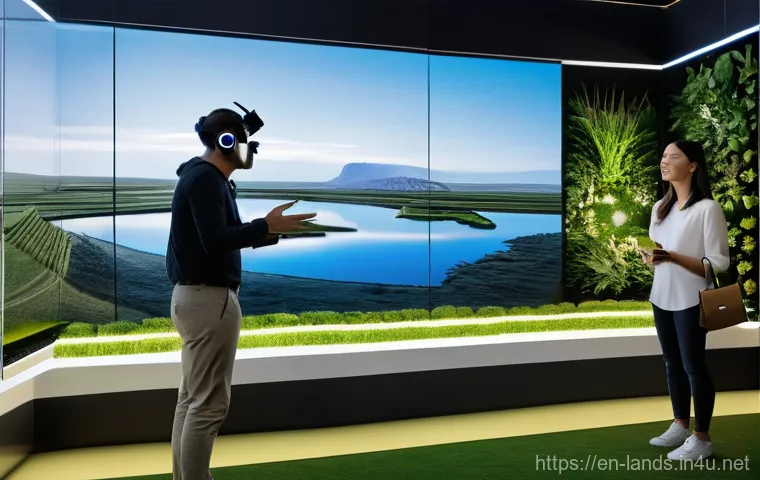
We can talk all day about design principles, sustainable practices, and fancy software, but at the end of the day, landscape architecture is a service industry, and success hinges on your ability to connect with people. Specifically, your clients. This is where those “soft skills”—the ability to listen, communicate, empathize, and gracefully manage expectations—become absolutely critical. I’ve seen incredibly talented designers struggle because they couldn’t effectively translate their vision to a client, or they failed to truly hear what the client was asking for. Employers know that happy clients lead to repeat business and glowing referrals, and that’s why they’re looking for individuals who are not just design experts, but also exceptional communicators and relationship builders. During interviews, think about how you can demonstrate your interpersonal finesse. Share stories where you successfully navigated a tricky client request, turned a difficult conversation into a positive outcome, or built strong rapport that led to a truly collaborative project. These are the moments that showcase your emotional intelligence and prove you’re ready to represent the firm with professionalism and charm, ensuring that every client interaction is a positive one and that their vision is truly understood and brought to life.
The Art of Active Listening
It sounds simple, right? Just listen. But active listening is a superpower in client interactions. It means truly hearing not just the words a client is saying, but also understanding the underlying desires, concerns, and sometimes, even the unspoken fears they might have about their project. I’ve learned that often, what a client *says* they want and what they *actually* need are two different things. Your job is to bridge that gap. In an interview, explain how you approach initial client meetings: how you ask open-ended questions, summarize their points to ensure understanding, and allow them space to articulate their vision fully. Share an example of a time you uncovered a hidden need or concern from a client by truly listening, and how that insight ultimately shaped a more successful design. This demonstrates empathy and a client-centric approach, which are invaluable traits in fostering trust and ensuring client satisfaction. It shows you prioritize their needs above all else, which is always a winning strategy.
Managing Misunderstandings with Grace
Let’s be honest, not every project goes perfectly smoothly. There will be disagreements, unforeseen challenges, and moments where client expectations might diverge from reality. Your ability to handle these situations with grace, professionalism, and a solution-oriented mindset is paramount. How do you address constructive criticism? What’s your approach when a client demands something that isn’t feasible or sustainable? Share stories where you successfully navigated a conflict, perhaps by offering alternative solutions, educating the client on technical limitations, or simply finding a respectful compromise. It’s about maintaining a positive relationship even when things get tough. I remember a candidate once talking about a client who insisted on a water feature that was far too large for their property’s drainage capacity. The candidate gently explained the hydrological limitations, presented beautiful, smaller-scale alternatives, and the client ultimately ended up thrilled with the revised, functional design. That ability to manage expectations while preserving the relationship is a true mark of a seasoned professional and a trait highly valued by any firm.
From Dirt to Dollars: Understanding the Business Side of Green Spaces
Alright, let’s talk brass tacks. While our passion for creating beautiful, sustainable spaces is what draws us to this field, we also need to remember that landscape architecture is a business. Firms operate to generate revenue, manage costs, and ultimately, be profitable. This isn’t just about the art of design; it’s about the economics of it. Employers are always looking for professionals who understand this fundamental truth and can contribute to the financial health of the company. It’s not enough to just be a brilliant designer if your projects consistently run over budget or fail to meet revenue targets. This means demonstrating an awareness of project profitability, an understanding of fee structures, and even an eye for identifying new business opportunities. I’ve often seen candidates shy away from discussing the business aspects, but let me tell you, those who confidently articulate their contribution to a firm’s bottom line instantly stand out. It shows you’re not just a creative force, but a strategic partner who cares about the company’s overall success, not just your own project. It proves you can wear multiple hats and think like an owner, which is incredibly attractive to any hiring manager.
Proving Your Value: The ROI of Good Design
How do you quantify the value of your work beyond aesthetics? This is a question that clients, and thus employers, increasingly want answers to. Good landscape design isn’t just an expense; it’s an investment. Can you articulate the return on investment (ROI) your designs provide? This could be anything from increased property values, reduced energy consumption through strategic tree placement, enhanced public health through accessible green spaces, or even greater foot traffic for commercial developments. Share examples where you’ve actively tracked or projected the tangible benefits of your designs. For instance, if you designed a low-maintenance, drought-tolerant garden, can you estimate the long-term water and labor savings for the client? This mindset demonstrates that you see yourself as a strategic partner, not just a service provider, and that you understand the broader economic impact of your work. It proves you’re thinking about the big picture and how your designs directly contribute to a client’s or company’s financial success, which is a powerful way to underscore your indispensability.
Networking Your Way to New Opportunities
In the world of landscape architecture, relationships are everything. New projects often come from referrals, collaborations, and a strong professional network. Employers are always keen to see if you have the initiative and interpersonal skills to build and maintain these valuable connections. During your interview, don’t be afraid to discuss your networking efforts. Do you attend industry events or conferences? Are you an active member of professional organizations like the ASLA? Have you successfully brought in a lead or contributed to a project proposal through your connections? These examples demonstrate not only your commitment to the profession but also your potential to contribute to business development. I’ve personally found that the best opportunities often emerge from conversations and connections made outside the traditional office setting. Showing that you understand the importance of networking and are proactive in building relationships proves you’re not just waiting for work to come to you, but actively seeking ways to grow both personally and professionally, which benefits the entire firm.
Post-Interview Playbook: Following Up Like a Pro
Okay, so you’ve nailed the interview, you’ve shown off your design prowess, your project management chops, and your magnetic personality. You might think the hard part is over, but let me tell you, the follow-up is just as crucial, if not more so, than the interview itself. This is your final opportunity to reiterate your interest, reinforce your qualifications, and leave a lasting positive impression. Many candidates overlook this step or send a generic, forgettable email. But in a competitive job market, a thoughtful, strategic follow-up can be the deciding factor that pushes you to the top of the list. It demonstrates your professionalism, your attention to detail, and your genuine enthusiasm for the role and the company. Think of it as your last chance to sell yourself, to connect the dots, and to remind them why you are the absolute perfect fit for their team. Don’t leave anything to chance; seize this moment to solidify your position and make sure you’re the one they remember when it comes time to make that all-important hiring decision.
The Power of a Personalized Thank You
This isn’t just about sending a quick “thank you” email. This is about sending a *personalized*, *impactful* thank you. After the interview, take a moment to reflect on key discussion points, specific questions asked, and any unique insights you gained. In your thank-you note, reference these specifics. For example, “I particularly enjoyed our discussion about the challenges of designing sustainable urban wetlands, and I’m confident my experience with native plant palettes on the [XYZ Project] would be directly applicable.” If you interviewed with multiple people, send a separate, customized email to each person, referencing something unique from your conversation with them. This shows genuine engagement and proves you were truly listening and absorbing the information, rather than just going through the motions. It’s a small effort that yields huge returns, demonstrating your attention to detail and making you stand out in a sea of generic follow-ups. A well-crafted thank you can absolutely reinforce your candidacy and show you value their time and the opportunity.
Staying Connected, Not Creepy
Beyond the immediate thank-you, consider how you can maintain a professional connection without being overbearing. If you had a particularly strong rapport with an interviewer, or if there was a specific project mentioned that genuinely interests you, a discreet LinkedIn connection request might be appropriate a few days after your thank you. In your connection message, you can briefly reiterate your interest and mention a specific point from your discussion. However, always exercise caution and good judgment here; the goal is to stay top-of-mind, not to annoy. If you’ve developed a relevant article, attended an industry event, or seen a news piece related to their work *after* your interview, it might be appropriate to share it via a brief, professional email if you haven’t heard back yet, perhaps a week or two later. This shows continued interest and engagement with the field and their firm. The key is to add value and demonstrate genuine enthusiasm, rather than just checking in for the sake of it. Remember, it’s about building a professional relationship, not just getting a job.
Wrapping Things Up
Well, we’ve covered a lot of ground today, haven’t we? From mastering the nuances of sustainable design to the crucial art of client communication and the often-overlooked business savvy, it’s clear that thriving in landscape architecture goes far beyond just drawing pretty plans. What I’ve really tried to impress upon you is that your journey isn’t just about accumulating skills; it’s about weaving a compelling narrative of experience, passion, and genuine connection. Remember, every interaction, every project, and every interview is a chance to show not just what you can do, but who you are as a professional and a person. Keep that drive alive, keep innovating, and most importantly, never stop telling your unique story in this incredible field.
Handy Tips You Won’t Want to Miss
1. Always tailor your resume and portfolio to each specific job application. Generic submissions often get lost in the shuffle; a customized approach shows genuine interest and helps highlight relevant experience, making you stand out from the crowd.
2. Practice your storytelling! Being able to articulate the ‘why’ and ‘how’ behind your projects, especially sustainable ones, is incredibly compelling. Don’t just list achievements; explain the journey, the challenges you overcame, and the measurable impact you created.
3. Don’t underestimate the power of a strong professional network. Attend local industry events, connect with peers on platforms like LinkedIn, and nurture those relationships – you never know where your next big opportunity, mentorship, or collaboration might come from.
4. Stay curious and keep learning about emerging technologies, whether it’s advanced rendering software, smart irrigation systems, or new material innovations. This continuous learning keeps your skills sharp, your perspective fresh, and ensures you remain competitive in an evolving industry.
5. Mastering your soft skills – communication, empathy, and conflict resolution – is just as important as your technical prowess. These are the invaluable traits that build trust with clients, foster productive team environments, and ultimately make you an indispensable asset to any firm.
Key Takeaways to Remember
At the heart of a successful career in landscape architecture lies a blend of diverse capabilities. It’s not enough to be proficient in design; you need to demonstrate a deep understanding of sustainable principles, proving your commitment to ecological stewardship through tangible results. I’ve personally seen how candidates who can articulate the measurable benefits of their environmentally conscious designs, from water savings to biodiversity enhancement, truly capture attention. This commitment extends beyond eco-friendly buzzwords to a practical application of innovative solutions. Moreover, mastering project management, from orchestrating diverse teams to meticulously managing budgets, is absolutely crucial. Employers are desperately seeking individuals who can transform a vision from paper into reality, on time and within financial parameters, proving themselves to be strategic operators rather than just creative minds. My own experience has shown that those who understand the financial implications of their choices are incredibly valuable assets.
Furthermore, your ability to leverage modern technology, from advanced GIS mapping to immersive virtual reality presentations, significantly enhances your value. Staying ahead of the curve with digital tools not only boosts efficiency but also dramatically improves client engagement and understanding of complex designs. Don’t forget, however, the paramount importance of soft skills. Effective communication, active listening, and gracefully navigating client expectations are the bedrock of strong professional relationships and repeat business. I’ve always found that genuine empathy and the ability to manage misunderstandings with grace set the best professionals apart. Finally, a robust understanding of the business side – proving the return on investment of good design and actively building a professional network – showcases your holistic contribution to a firm’s growth and profitability. This multi-faceted approach, combining technical skill with business acumen and interpersonal finesse, is what will truly set you apart and ensure a thriving, impactful career in this dynamic field.
Frequently Asked Questions (FAQ) 📖
Q: So, what exactly are today’s landscaping employers really looking for in candidates? It feels like the bar keeps getting higher!
A: Oh, you’ve hit the nail on the head! It absolutely feels like the bar is rising, and that’s because the landscaping world is evolving at warp speed. From my own experience, both sitting on the hot seat and asking the tough questions, I’ve noticed a massive shift.
It’s no longer just about knowing your petunias from your pansies, although foundational plant knowledge is still super important, of course! What truly stands out now is a candidate who can demonstrate a holistic vision.
Employers are desperate for folks who can talk confidently about sustainable design principles, smart water management systems – think drip irrigation, rain gardens – and even how to integrate technology like automated lighting or irrigation controls into their projects.
They want to see that you’re not just a gardener, but a problem-solver, a creative thinker who can blend aesthetics with ecological responsibility. When I’ve been interviewing, the candidates who impressed me most were the ones who could articulate not just what they’d do, but why – explaining the environmental benefits or long-term cost savings for the client.
Show them you understand the bigger picture, the impact of your work beyond just making a pretty space, and you’ll be golden. It’s about being a visionary, truly.
Q: With all these changes, how can I make sure I truly stand out and impress even the toughest hiring managers?
A: This is where you get to shine! I remember walking into an interview once, feeling pretty confident about my plant knowledge, only to be completely thrown off by questions about project management software and client communication strategies.
Lesson learned! To really stand out, you need to go beyond your technical skills. Think about the soft skills that are invaluable in this industry.
Can you lead a team? Are you a fantastic communicator, able to translate complex horticultural terms into simple language for a client? Do you have a knack for problem-solving on the fly when unexpected challenges pop up on a job site?
Employers are looking for well-rounded individuals. I’ve personally seen candidates wow interviewers by bringing a small portfolio of their own design sketches, even if they’re just conceptual, or by sharing a brief, compelling story about how they resolved a tricky client situation.
It shows initiative, passion, and a genuine understanding of the multifaceted nature of the job. Practice articulating not just what you know, but what you can do and how you problem-solve.
It makes a massive difference, trust me.
Q: Beyond traditional plant knowledge, what specific skills or areas of expertise should I focus on developing to stay competitive?
A: Fantastic question, and one I wish someone had pushed me to ask earlier in my career! While knowing your plants is foundational, the real competitive edge comes from expanding your toolkit.
I’ve found that employers are increasingly valuing skills in areas like ecological design, pollinator-friendly plantings, native plant expertise – these are huge right now!
Understanding local ecosystems and how to design landscapes that support them is a massive plus. Another big one is irrigation system design and water conservation techniques.
Knowing how to efficiently manage water, especially in regions facing drought, is not just a trend, it’s becoming a necessity. And don’t forget about hardscaping and construction basics – even if you’re not laying pavers yourself, understanding the principles behind it helps you communicate better with crews and ensure your designs are feasible.
Finally, and this is something I learned the hard way, get comfortable with basic design software. Being able to sketch out a concept in a digital format, even a simple one, can elevate your proposals dramatically.
It’s all about showing that you’re not just current, but thinking ahead, anticipating the future needs of clients and the environment.