Hey there, wonderful green-thumbs and nature lovers! As someone who spends a lot of time thinking about how we interact with our environment, I’ve noticed a massive shift in how we approach our outdoor spaces.
It’s no longer just about planting a few flowers; it’s about crafting living, breathing ecosystems that not only look stunning but actively contribute to a healthier planet.
Think about it – with climate change bringing more extreme weather and our cities growing denser, the demand for smart, sustainable landscape solutions has skyrocketed.
I’ve personally seen how innovative designers are turning mundane spaces into vibrant, resilient havens, from ingenious urban farms to breathtaking public parks that manage stormwater naturally.
It’s inspiring, to say the least! I’ve often wondered how we can all play a part in this green revolution, and what I’ve discovered through countless hours of research and even some hands-on projects, is that the possibilities are truly endless.
We’re moving beyond just ‘eco-friendly’ to ‘regenerative,’ designing spaces that actively heal and restore. We’re seeing incredible advancements in biophilic design, creating landscapes that literally improve our well-being by bringing nature closer.
And the coolest part? Many of these cutting-edge ideas are surprisingly accessible, offering not just environmental benefits but also boosting property values and even reducing utility bills.
So, if you’re ready to discover how thoughtful design can transform everything from a tiny balcony to an entire neighborhood, making it more beautiful, functional, and planet-friendly, then you’re in for a treat.
Let’s dive into this fascinating world and discover exactly how these groundbreaking ideas are shaping our green future, ensuring you get all the precise details!
The Shifting Sands: Why Sustainable Landscapes Are No Longer an Option, But a Necessity
As I mentioned, I’ve seen firsthand how our relationship with the environment is evolving, especially when it comes to our outdoor spaces. It’s no longer just about curb appeal; it’s about resilience, responsibility, and creating a harmonious balance with nature.
For years, we treated our yards and public parks as separate entities from the larger ecosystem, often using practices that, while seemingly harmless, actually contributed to problems like water pollution, habitat loss, and increased energy consumption.
Think about sprawling monoculture lawns requiring endless watering and chemical treatments, or concrete jungles pushing out every last bit of green. But thankfully, the tide is turning.
We’re realizing that every patch of green, every rooftop, and every public square has the potential to be a powerful environmental asset. I’ve personally spoken with countless homeowners and urban planners who are genuinely excited about transforming their spaces into living systems that actively support biodiversity and mitigate climate impacts.
It’s truly inspiring to witness this shift from passive landscaping to active ecological stewardship, driven by a deeper understanding of how interconnected everything truly is.
My own experience in observing these changes has taught me that embracing sustainable practices isn’t just a trend; it’s a vital step towards a healthier, more livable future for all of us.
The conversations around these topics are becoming richer, more urgent, and thankfully, more solution-oriented, making it clear that this isn’t a passing fad but a fundamental recalibration of how we coexist with our planet.
From Pretty Plants to Planet Protectors: The Urgency of Eco-Conscious Design
When I first started delving into sustainable landscaping, I admit I was focused primarily on the aesthetic benefits. Who doesn’t love a beautiful, thriving garden?
But what I quickly discovered was that the real magic happens when beauty meets purpose. We’re talking about gardens that act as natural air purifiers, green roofs that insulate buildings and reduce energy bills, and rain gardens that prevent harmful runoff from polluting our waterways.
The urgency comes from the very real challenges we face – extreme weather events, shrinking natural habitats, and the ever-present need to conserve resources.
I’ve learned that making even small, eco-conscious choices in our outdoor design can have a ripple effect, contributing to a much larger positive impact on our local ecosystems and beyond.
It’s like every plant we choose, every material we select, becomes a small act of environmental activism, shaping the world we live in.
The Economic and Social Dividends of Green Spaces
It might sound a bit counterintuitive to think about economics when talking about nature, but trust me, the financial and social benefits of sustainable landscapes are undeniable.
From my own observations, properties with well-designed, eco-friendly landscaping often see increased property values and faster sales. Homeowners enjoy reduced water bills thanks to drought-tolerant plantings and smart irrigation systems, and lower energy costs due to strategic tree placement for shade.
Beyond the financial, there’s a massive social upside. Green spaces foster community, encourage outdoor activity, and have a proven positive impact on mental well-being.
I’ve seen parks transformed from neglected areas into vibrant community hubs, simply by integrating thoughtful, sustainable design elements that invite people to connect with nature and each other.
It’s a win-win-win situation – for our wallets, our communities, and our planet.
From Green Patches to Healing Havens: Diving Deep into Regenerative Design
Let’s talk about something truly exciting: regenerative design. This isn’t just about being “less bad” for the environment; it’s about actively healing and restoring it.
My personal journey into understanding this concept has been incredibly eye-opening. For so long, the focus was on minimizing harm, which is a good start, but regenerative design pushes us further.
It asks: how can our landscapes not just sustain, but *regenerate*? How can they improve soil health, enhance biodiversity, clean water, and even capture carbon?
I’ve seen projects that transform barren, neglected land into thriving ecosystems, buzzing with life. It’s about designing with nature’s processes in mind, working *with* the land rather than imposing our will upon it.
This often involves techniques like permaculture, which mimics natural patterns and relationships to create highly efficient and self-sustaining systems.
Imagine a garden that actually *builds* soil rather than depleting it, or a landscape that creates its own microclimates to support a diverse array of plants and animals.
It’s a holistic approach that views our outdoor spaces as active participants in ecological restoration, and honestly, it feels like the future of gardening and land management.
It really gets my imagination going to think about the possibilities here!
Mimicking Nature’s Brilliance: The Principles of Permaculture
When I first heard the term “permaculture,” it sounded a bit intimidating, like something only experts could tackle. But what I’ve learned is that at its heart, permaculture is simply about observing nature and applying its genius to our own spaces.
It’s a design philosophy that focuses on creating self-sufficient, resilient ecosystems. This means things like stacking functions (one element serving multiple purposes), integrating water harvesting systems, and planting guilds where different species support each other.
I once experimented with a small permaculture bed in my backyard, combining fruit trees, herbs, and groundcovers, and was astonished at how little input it required once established.
It truly felt like the plants were doing all the heavy lifting, thanks to their thoughtful arrangement. It’s a far cry from the traditional row planting I grew up with, and the results are incredibly rewarding, both ecologically and aesthetically.
Beyond “Green”: Designing for Active Restoration
Active restoration is where regenerative design truly shines. It’s not enough to just plant native species; we need to think about how those species interact, how they contribute to the overall health of the soil, and how they support local wildlife.
This might involve creating dedicated pollinator habitats, installing bioswales to filter rainwater, or even planting specific trees to help remediate contaminated soil.
My observations have led me to believe that this level of intentionality is what sets regenerative design apart. It’s a proactive stance, a commitment to leaving the land better than we found it.
It’s about building a legacy of ecological health, one garden, one park, one urban farm at a time. The shift in mindset from simply preserving to actively restoring is, in my opinion, one of the most powerful movements in modern landscape architecture.
The Biophilic Revolution: How Designing with Nature Boosts Our Well-being
Have you ever noticed how a walk in a forest just instantly calms your mind? Or how having plants in your office makes the space feel more alive and less sterile?
That’s biophilia in action! This concept, which literally means “love of life,” suggests that humans have an innate tendency to connect with nature and other living systems.
And honestly, after years of spending time in both highly urbanized and richly natural environments, I wholeheartedly agree. Biophilic design in landscaping is all about intentionally integrating natural elements, processes, and patterns into our built environments to improve our health and well-being.
It’s more than just adding a few potted plants; it’s about creating deeply immersive experiences that mimic nature, even within dense urban settings. Imagine public squares with living walls that cascade with greenery, offices with views of lush gardens, or residential areas designed around existing natural waterways.
I’ve seen how these spaces can dramatically reduce stress, improve cognitive function, and even accelerate healing. It’s not just theory; it’s a tangible improvement in quality of life that we can literally design into our surroundings.
The profound impact this has on individuals and communities is, to me, one of the most exciting aspects of modern landscape innovation.
Sensory Gardens and Healing Landscapes: Bringing Nature to Our Senses
One of my favorite aspects of biophilic design is the creation of sensory gardens. These are spaces designed to engage all five senses, providing a richer, more immersive natural experience.
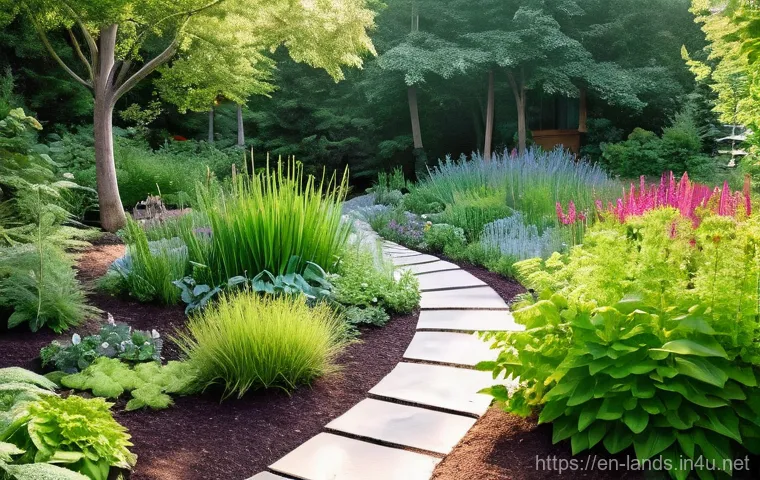
Think about the rustle of ornamental grasses, the scent of lavender and rosemary, the taste of fresh herbs, the varied textures of bark and stone, and the vibrant colors of flowering plants.
I’ve visited several public healing gardens that utilize these principles, and the difference they make for people recovering from illness or experiencing stress is profound.
It’s not just about what you see; it’s about how the entire environment makes you *feel*. These intentional designs tap into our primal connection with the natural world, offering solace, stimulation, and a much-needed escape from the digital noise of everyday life.
From Offices to Homes: Integrating Nature into Everyday Life
Biophilic design isn’t just for large public parks; it’s increasingly finding its way into our homes and workplaces. I’ve observed a huge surge in demand for green walls, indoor water features, and expansive windows that frame natural views in corporate offices.
This isn’t just for aesthetics; companies are realizing the tangible benefits on employee productivity, creativity, and overall job satisfaction. At home, it might mean designing a patio that feels like an extension of a wild garden, or creating a small indoor atrium with abundant plant life.
My own experience in setting up a small indoor herb garden by a sunny window completely changed the ambiance of my kitchen, making it feel more vibrant and welcoming.
It’s about bringing that calming, life-affirming energy of nature directly into the spaces where we spend most of our time.
Smart Water, Smarter Spaces: Innovative Approaches to Stormwater Management
Let’s face it, water is precious, and how we manage it in our landscapes is absolutely critical. For too long, our approach to stormwater has been to get rid of it as quickly as possible, channeling it into drains and pipes that often lead to pollution and overwhelmed municipal systems.
But I’ve learned that there’s a much smarter way – one that embraces water as a resource rather than a waste product. Innovative stormwater management is a cornerstone of sustainable landscaping, focusing on capturing, infiltrating, and reusing rainwater right where it falls.
This means less runoff polluting our rivers and oceans, less strain on drainage infrastructure, and more water available for our plants. I’ve seen incredible transformations in areas prone to flooding, where traditional concrete surfaces have been replaced with permeable pavers and rain gardens, effectively turning a problem into a beautiful solution.
It’s about creating a landscape that drinks the rain, allowing it to slowly filter back into the ground, replenishing groundwater and supporting local ecosystems.
It’s a truly thoughtful and impactful approach to a challenge that affects almost every urban and suburban area.
Rain Gardens and Bioswales: Nature’s Drainage Systems
Two of my absolute favorite tools in the stormwater management toolkit are rain gardens and bioswales. If you’re not familiar, a rain garden is essentially a shallow depression planted with water-loving native plants, designed to collect and filter rainwater runoff from impervious surfaces like roofs and driveways.
Bioswales are similar but typically elongated, often found along roadsides or parking lots. I’ve been utterly fascinated by how effective these simple, yet brilliant, features are.
They not only manage water, preventing erosion and pollution, but they also create beautiful habitats for local wildlife and add a lush aesthetic to any space.
It’s a fantastic example of how ecological function and beauty can go hand in hand, turning what could be an unsightly drainage ditch into a vibrant, living landscape feature.
Permeable Paving and Green Roofs: Urban Water Solutions
In denser urban environments, where ground space is limited, the solutions become even more ingenious. Permeable paving, which allows water to seep through its surface into the ground below, is a game-changer for driveways, walkways, and even parking lots.
It dramatically reduces runoff and heat island effects. Then there are green roofs – truly one of the most exciting innovations I’ve observed. These living roofs are not just stunning; they absorb vast amounts of rainwater, insulate buildings, and create new urban habitats.
I once visited a building with an extensive green roof and was amazed at how cool the interior felt on a hot summer day, and the sheer variety of insects and birds it attracted.
These solutions demonstrate that even in the most built-up areas, we can integrate smart water management strategies that benefit both people and the planet.
Cultivating Our Cities: The Boom of Urban Farming and Edible Landscapes
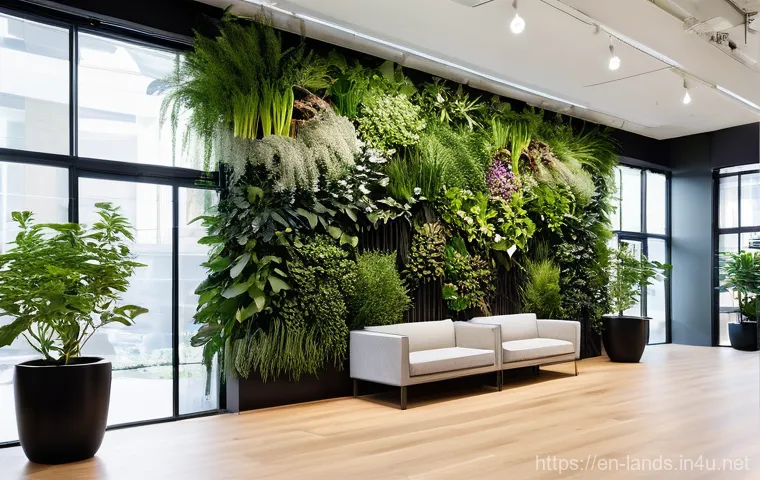
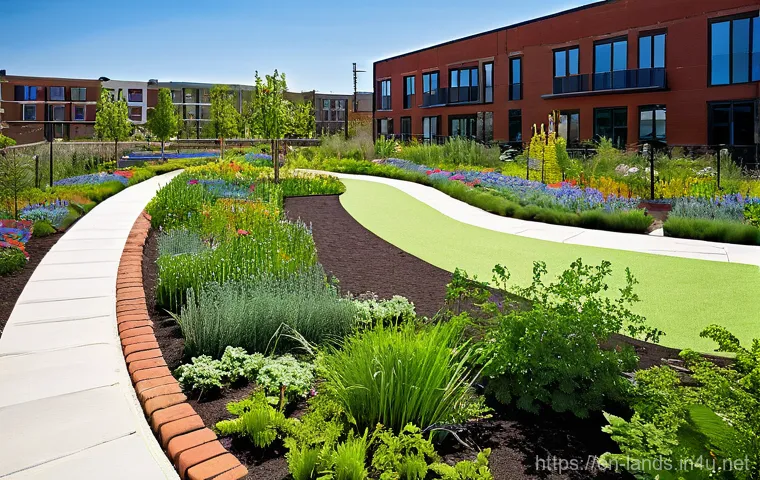
There’s a quiet revolution happening right in our cities, and it’s delicious! I’m talking about urban farming and edible landscapes. For too long, the idea of growing food was relegated to sprawling rural areas, but I’ve seen a massive surge in people transforming balconies, rooftops, vacant lots, and even front yards into productive food-producing spaces.
It’s not just about growing your own veggies; it’s about reconnecting with our food sources, building community, and creating more resilient local food systems.
From my perspective, this trend is a fantastic example of how sustainable landscaping isn’t just about aesthetics or even ecological services, but also about direct human nourishment and empowerment.
Imagine walking through your neighborhood and seeing vibrant gardens teeming with tomatoes, herbs, and berries, all available for the community to enjoy.
It’s truly inspiring and makes the concept of “local food” incredibly tangible. This movement makes healthy, fresh food more accessible and cultivates a deeper appreciation for where our sustenance comes from.
Rooftop Gardens and Vertical Farms: Maximizing Urban Space
In densely populated cities, every square foot counts, and urban farmers are getting incredibly creative. Rooftop gardens are popping up everywhere, turning previously unused space into fertile ground for everything from leafy greens to root vegetables.
I’ve been particularly impressed by vertical farms, which use stacked layers and often hydroponic or aeroponic systems to grow huge quantities of food in a tiny footprint.
These innovations are not just efficient; they’re incredibly cool to see in action! They dramatically reduce the “food miles” our produce travels, cut down on water usage, and provide fresh, hyper-local food to urban dwellers who might otherwise have limited access to healthy options.
It really shows how a little ingenuity can overcome spatial constraints.
Community Gardens and Edible Parks: Growing Together
Beyond individual efforts, the rise of community gardens and edible parks is truly heartwarming. These are spaces where neighbors come together to cultivate food, share knowledge, and build stronger bonds.
I’ve volunteered at a few community gardens, and the sense of camaraderie and shared purpose is palpable. Edible parks take this a step further, integrating fruit trees, berry bushes, and edible plants directly into public green spaces, often with an open invitation for people to harvest what they need.
It’s a radical rethinking of public space, moving from purely ornamental to directly productive, fostering both ecological health and community well-being.
It’s a wonderful way to teach children about where their food comes from and to create vibrant, self-sustaining community hubs.
Choosing Wisely: Eco-Friendly Materials That Make a Difference
When we talk about sustainable landscapes, it’s not just about the plants; the materials we use are equally important. I’ve realized that the choices we make for hardscaping – paths, patios, fences, and retaining walls – can have a significant environmental footprint, from the energy used in their production to their end-of-life disposal.
But the good news is, there are so many fantastic eco-friendly options available today that weren’t common even a decade ago. It’s about thinking beyond traditional concrete and new lumber, and instead opting for materials that are recycled, locally sourced, durable, and have a low environmental impact.
My own experience in sourcing materials for a small garden renovation opened my eyes to the sheer variety of sustainable choices out there, and I was genuinely surprised by how aesthetically pleasing and versatile they were.
This isn’t just about being “green”; it’s about smart design that considers the entire lifecycle of a product and ensures our landscapes are built to last without harming the planet.
Reclaimed and Recycled: Giving Materials a Second Life
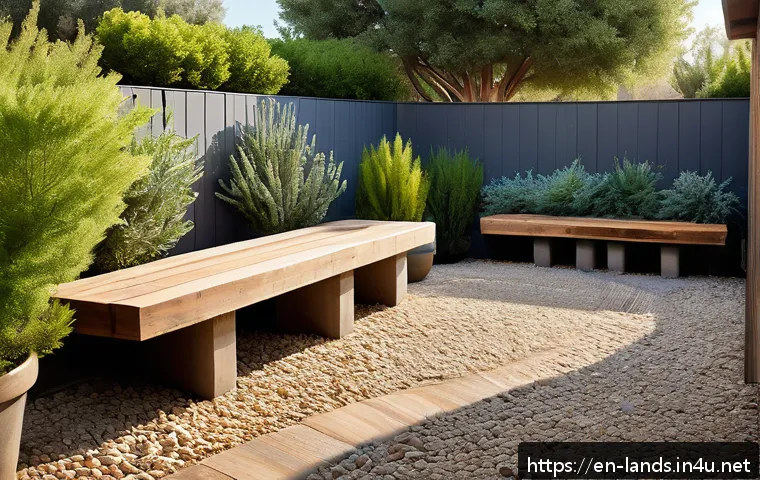
One of the easiest and most impactful ways to choose eco-friendly materials is to opt for reclaimed or recycled products. Think about old bricks given new life as a charming patio, salvaged timber transformed into a beautiful garden bench, or recycled glass aggregate used in permeable pavers.
I absolutely love the character and story that reclaimed materials bring to a space – it adds a layer of history and uniqueness that you just can’t get with brand-new products.
Beyond the aesthetic, using recycled materials dramatically reduces waste destined for landfills and lessens the demand for virgin resources, which means less energy consumption and pollution from manufacturing.
It’s a truly satisfying feeling to know that you’re creating something beautiful while also making a tangible positive impact on the environment.
Sustainable Sourcing: Local and Low-Impact Choices
Beyond recycling, focusing on sustainably sourced materials is key. This often means looking for local suppliers to reduce transportation emissions and supporting businesses that prioritize ethical and environmentally responsible production methods.
For example, instead of exotic hardwoods, consider locally harvested and sustainably managed timber. Or, when choosing stone, opt for regional varieties that haven’t traveled thousands of miles to reach your project.
My advice is to ask questions and do a little research. A material might look “natural,” but its journey to your garden could be far from sustainable.
Making informed choices here ensures that your landscape not only looks good but also aligns with your values.
| Material Type | Sustainable Option | Environmental Benefit |
|---|---|---|
| Paving | Permeable Pavers (recycled content) | Reduces stormwater runoff, recharges groundwater, utilizes waste materials. |
| Decking/Fencing | Recycled Composite Decking | Made from plastic and wood fibers, prevents deforestation, low maintenance. |
| Retaining Walls | Reclaimed Stone/Concrete | Reduces waste, lowers demand for new quarrying, unique aesthetic. |
| Soil Amendment | Local Compost/Leaf Mulch | Improves soil health, reduces chemical fertilizer use, supports local nutrient cycling. |
| Garden Furniture | FSC-Certified Wood | Ensures wood comes from sustainably managed forests, promotes responsible forestry. |
Beyond Beauty: The Unexpected Economic Benefits of Sustainable Landscapes
It’s easy to get caught up in the environmental benefits of sustainable landscapes, and rightfully so, as they are profound. But what often surprises people, and what I’ve personally found incredibly compelling, are the significant economic advantages these designs offer.
We’re not just talking about saving the planet; we’re talking about saving money and even making money! Investing in sustainable landscaping is truly an investment in your future, whether you’re a homeowner, a business owner, or a city planner.
From reduced maintenance costs to increased property values and even improved public health, the financial returns are often much greater than initially perceived.
I’ve seen countless examples where upfront investments in eco-friendly solutions pay for themselves many times over through long-term savings and enhanced asset value.
It’s a pragmatic approach to environmental stewardship that makes sense for both our wallets and our planet, changing the conversation from an expense to a smart financial strategy.
It’s a beautiful synergy that truly excites me!
Lowering Utility Bills and Maintenance Costs
One of the most immediate and tangible economic benefits I’ve observed comes from reduced utility bills. Strategic planting of deciduous trees for shade in summer and sunlight in winter can dramatically lower heating and cooling costs.
Drought-tolerant native plants require far less water than traditional lawns, translating directly into lower water bills, especially in areas with water restrictions.
Beyond utilities, consider the ongoing maintenance. A well-designed sustainable landscape, particularly one based on permaculture principles, often requires less mowing, less fertilizing, and fewer chemical treatments, saving both time and money.
I remember hearing a homeowner proudly tell me how they cut their irrigation costs by nearly 60% after converting their thirsty lawn into a native plant garden – that’s real savings you can feel every month!
Boosting Property Value and Market Appeal
For those looking to sell or simply enhance their property, sustainable landscaping offers a distinct advantage. I’ve seen firsthand how homes with attractive, eco-friendly gardens command higher prices and sell faster.
Buyers are increasingly valuing features like rain gardens, native plant landscaping, and even edible gardens, viewing them as valuable amenities rather than extra work.
It signals a conscious and forward-thinking owner, someone who cares about their home and the environment. Businesses, too, benefit from this. Green spaces around commercial properties can attract more customers, improve employee morale, and enhance a company’s public image.
It’s clear that in today’s market, “green” isn’t just good for the planet; it’s genuinely good for business and property value.
Wrapping Up
Well, we’ve covered a lot of ground today, haven’t we? From nurturing tiny seedlings in a rain garden to reimagining entire urban spaces, it’s clear that sustainable landscaping isn’t just about pretty plants. It’s a powerful, multifaceted movement that touches every aspect of our lives – our environment, our wallets, and our well-being. My hope is that by sharing these insights and my own experiences, I’ve sparked a little fire in you to look at your outdoor spaces with fresh eyes. Remember, every small, intentional step you take towards greener living contributes to a much larger, beautiful ripple effect. It’s a journey, not a destination, and I genuinely believe it’s one of the most rewarding journeys we can embark on together for a healthier planet.
Useful Information to Know
1. Start with native plants: They’re adapted to your local climate, requiring less water and maintenance, and provide essential habitat for local wildlife.
2. Embrace smart water solutions: Install rain barrels to capture runoff, consider drip irrigation, and implement watering schedules that align with local weather patterns to conserve precious water.
3. Compost your organic waste: Turning food scraps and yard trimmings into nutrient-rich compost improves soil health, reduces the need for chemical fertilizers, and minimizes landfill waste.
4. Explore urban farming, even in small spaces: Balconies, rooftops, and even small pots can become productive gardens, offering fresh food and a deeper connection to your sustenance.
5. Choose eco-friendly materials: Opt for reclaimed, recycled, or locally sourced materials for hardscaping to reduce environmental impact and add unique character to your space.
Key Takeaways
Sustainable landscaping is a holistic approach that goes far beyond aesthetics, integrating ecological, economic, and social benefits. It emphasizes working *with* nature to create resilient, self-sustaining environments that actively restore and heal our planet. By making conscious choices in plant selection, water management, material sourcing, and food production, we can collectively cultivate spaces that are not only beautiful but also profoundly beneficial for ourselves, our communities, and the natural world around us. It’s about building a legacy of green living, one thoughtful garden at a time.
Frequently Asked Questions (FAQ) 📖
Q: What exactly does “regenerative landscape design” mean, and how is it different from just being “eco-friendly”?
A: You know, it’s a fantastic question, and one I’ve wrestled with myself when I first started diving deep into this stuff. For a long time, “eco-friendly” was the gold standard, right?
It was all about doing less harm, like using organic fertilizers or saving water where you could. And that’s still super important! But from my own experience, “regenerative” takes things to a whole new level.
Think of it this way: “eco-friendly” is about maintaining the status quo or slowing down the damage, while “regenerative” is about actively healing, restoring, and improving the environment.
It’s like, instead of just cleaning up a mess, you’re building something even better than it was before. This could mean designing gardens that actually sequester carbon, creating micro-ecosystems that boost local biodiversity, or crafting storm-ready landscapes that not only manage water but purify it too.
It’s a dynamic, proactive approach that sees your outdoor space as a living, breathing part of the solution, not just a pretty backdrop. I’ve personally seen how a truly regenerative design can transform a tired yard into a vibrant habitat, buzzing with life and contributing positively to its surroundings.
Q: How can I incorporate these sustainable design principles into my own small space, like a balcony or a small yard, to see real benefits?
A: Oh, I totally get this! It’s easy to feel like these grand ideas are only for sprawling estates or huge public parks, but trust me, even the tiniest balcony or a compact backyard can become a sustainable powerhouse.
I remember thinking my own small urban patch was too limited, but then I realized it’s all about smart choices. My top tip? Start with native plants!
They’re like little superheroes because they’re already adapted to your local climate, meaning less water, less fuss, and they provide essential food and shelter for local wildlife.
Next, consider vertical gardening – it’s a game-changer for maximizing greenery in tight spots. Think living walls or tiered planters. I’ve also found that even a small rain barrel can make a huge difference in conserving water for your plants, and it’s surprisingly satisfying to collect rainwater.
And don’t forget about composting! Even a tiny countertop composter can turn your kitchen scraps into rich soil for your pots. What I’ve really learned is that every little bit counts, and even these small, thoughtful decisions can create a beautiful, functional, and planet-friendly haven right outside your door, often boosting your mood and even saving a few pennies on water bills!
Q: Besides looking good, what are the tangible benefits of investing in smart, sustainable landscape solutions for my home or community?
A: This is where it gets really exciting, because while aesthetics are definitely a bonus, the real magic of smart, sustainable landscape solutions lies in their tangible, often surprising, benefits.
From my perspective, it’s not just about a green conscience; it’s about smart living and even smart investing. For starters, you’re looking at increased property value.
A well-designed, eco-conscious landscape is a massive draw for potential buyers these days, who are increasingly aware of environmental impacts and utility costs.
Speaking of utility costs, strategically placed trees and shrubs can actually reduce your energy bills by providing natural shade in the summer and windbreaks in the winter.
I’ve heard countless stories, and even experienced it myself, of homes feeling noticeably cooler in the scorching heat thanks to intelligent planting.
Then there’s stormwater management – those beautiful rain gardens aren’t just pretty, they’re hard at work preventing runoff, reducing flooding, and protecting local waterways, which can save communities a lot of money on infrastructure.
Plus, you’re creating healthier ecosystems, improving air quality, and boosting local biodiversity, which is incredibly vital for our planet. And let’s not overlook the biophilic benefits – being surrounded by nature, even in a designed landscape, has a profound positive impact on our mental well-being, reducing stress and boosting mood.
It’s a win-win-win, if you ask me!